Introduction
Finding the right manufacturing partner is the most critical decision for any bag brand or retailer. When you search for how to choose a backpack factory, you aren't just looking for a list of names; you are looking for a reliable backbone for your business. The global market is flooded with options, but not all factories are created equal, especially when dealing with specialized products like a kids backpack.
A great factory must balance technical skill, ethical labor practices, and material innovation. Whether you need a lightweight design for school or a rugged, waterproof version for outdoor trips, the factory’s expertise determines your product's success. In this guide, we will explore the essential criteria for vetting a factory, ensuring they can produce a high-quality kids backpack with water bottle holder that meets modern safety and aesthetic standards.
Verifying Technical Expertise in Ergonomic Design
An expert factory does more than just sew fabric; it understands human anatomy. When selecting a partner for a kids backpack, you must prioritize their ability to execute an ergonomic structure. Children’s spines are developing, so the factory needs specialized machinery to create padded, S-shaped shoulder straps and breathable back panels.
Assessing the Sample Room
Check their sample room for complexity. Do they have the specialized foam-cutting tools required for ergonomic support? A factory that specializes only in simple tote bags will likely fail at the intricate structural requirements of a high-quality kids backpack. They should demonstrate knowledge of weight distribution and how to reinforce "stress points" where the straps meet the bag body.
Prototyping Capabilities
Ask about their customizable prototyping process. A top-tier factory should be able to take your 2D sketches and turn them into a 3D physical sample within 7 to 14 days. This speed shows they have an in-house R&D team capable of solving design flaws before mass production begins. If they struggle with a lightweight prototype, they will certainly struggle with a bulk order of 5,000 units.
Material Sourcing and Sustainable Material Options
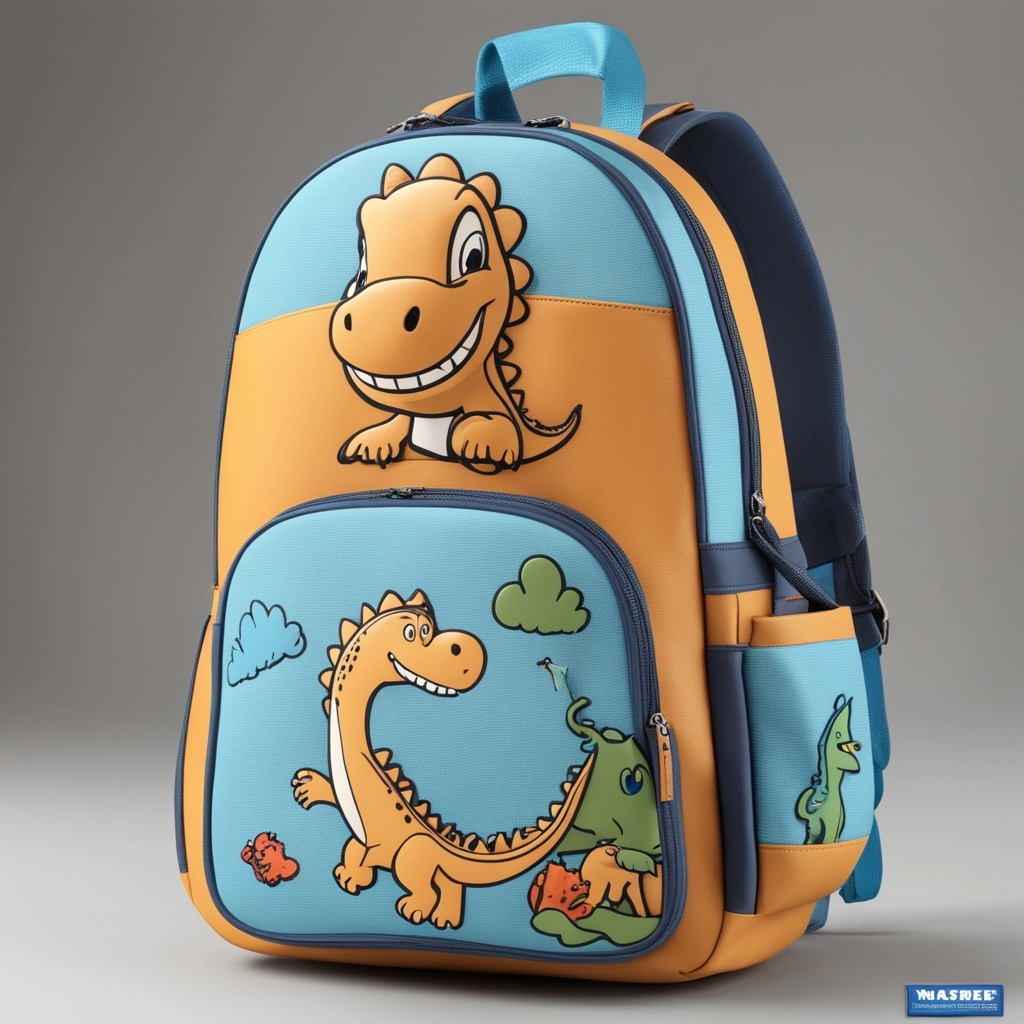
In 2026, parents are more conscious of the environment than ever. Choosing a factory that has a robust supply chain for sustainable material is a competitive advantage. You need a partner who can source recycled polyesters (rPET) or organic canvases without compromising the durability of the kids backpack.
Testing for Functionality
Beyond sustainability, the material must perform. If your marketing claims the bag is waterproof, the factory must provide testing reports for the fabric's hydrostatic pressure resistance. They should also offer various coatings, such as TPU or PU, to ensure the waterproof integrity lasts for years of school use.
| Material Type | Sustainability Level | Best Feature | Durability |
| Recycled Polyester (rPET) | High | Sustainable material | Excellent |
| Standard Nylon | Low | Waterproof / Strong | High |
| Organic Cotton | Very High | Lightweight / Soft | Medium |
| Vegan Leather | Medium | Customizable Aesthetics | Medium |
Hardware and Safety
A factory’s material expertise extends to zippers and buckles. For a kids backpack, zippers must be "anti-pinch" and lead-free. The factory should have a list of pre-approved suppliers for high-quality hardware like YKK or SBS. This ensures that the kids backpack with water bottle holder doesn't fall apart after three months of use.
Production Capacity and Quality Control (QC) Systems
A factory might produce a beautiful sample, but can they maintain that quality over a large B2B order? You must investigate their QC protocols. Ideally, they should follow the AQL (Acceptable Quality Level) standard.
In-Line vs. Final Inspection
A reliable partner performs "In-Line Inspection." This means they check the stitching and the waterproof seams while the bags are still on the sewing line. If they only check at the very end, it is too late to fix systemic errors. For a kids backpack, consistent sizing is vital so that it remains lightweight and fits the target age group correctly.
Scalability for B2B Growth
Consider your long-term goals. If you start with 500 units but plan to scale to 50,000, can the factory keep up? Ask about their monthly output and the number of sewing lines they dedicate to customizable projects. A factory with at least 4-5 dedicated lines for backpacks is generally stable enough for growing brands.
Compliance, Certifications, and Ethical Standards
Choosing a factory is also a legal and ethical choice. Since a kids backpack is a children's product, it must comply with strict safety regulations like CPSIA (USA) or REACH (EU).
Essential Certifications
BSCI / Sedex: These ensure fair wages and safe working conditions.
ISO 9001: Demonstrates a consistent quality management system.
GRS (Global Recycled Standard): Essential if you are using sustainable material.
Chemical Safety
Factories must guarantee that their dyes and plastics are non-toxic. Ask for "BPA-free" and "Phthalate-free" certifications. A kids backpack with water bottle holder will often be in close contact with a child’s skin and food containers; therefore, chemical safety is non-negotiable. If a factory cannot produce these documents, walk away.
Specialized Features: Kids-Specific Expertise
Designing for children requires a specific "feature set" that general factories might overlook. You need to ensure they can integrate functional elements that make a kids backpack practical for daily use.
Adding Functional Value
A professional factory understands the importance of a water bottle holder that actually holds a bottle during a sprint to the school bus. They should suggest using heavy-duty elastic or mesh that won't sag. Furthermore, they should be able to integrate reflective strips for safety, making the bag visible in low light.
Customization and Brand Identity
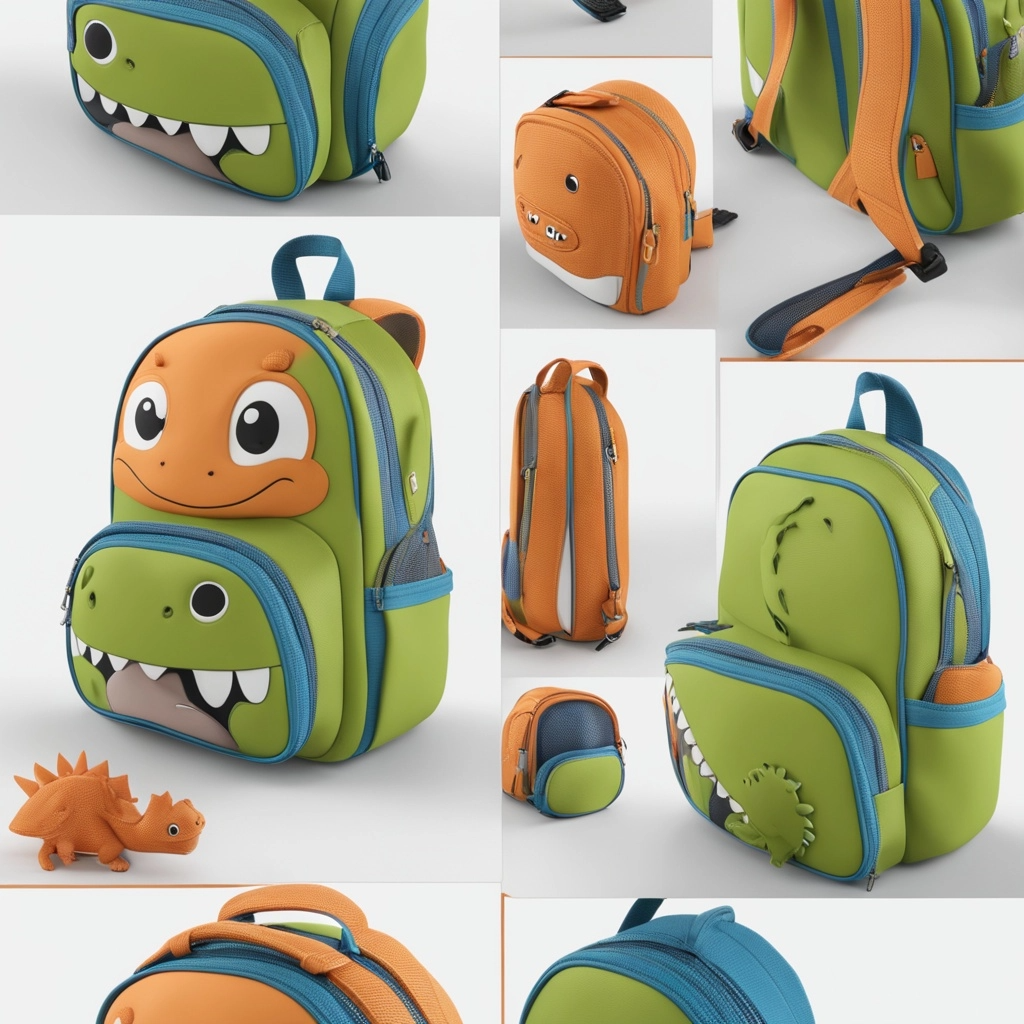
Is the factory capable of customizable printing and embroidery? For a kids backpack, vibrant colors and 3D silicon patches are popular. The factory should offer different printing methods like silk screen, heat transfer, or digital printing to match your brand's aesthetic.
Communication and Project Management
The biggest "hidden cost" in manufacturing is poor communication. When you choose a factory, you are entering a months-long conversation.
Responsiveness and Language
Do they answer emails within 24 hours? Do they have a dedicated English-speaking account manager? Misunderstandings regarding customizable details or waterproof specs can lead to thousands of dollars in wasted inventory.
The Deep Dive into Development
Technical File (Tech Pack) Interpretation
A great factory doesn't just wait for instructions; they improve your design. When you send a Tech Pack for a kids backpack, they should point out if a seam is too weak or if a lightweight fabric isn't strong enough for the base. They act as consultants.
Transparency in Lead Times
Beware of factories that promise "miracle" lead times. High-quality production, especially with sustainable material, takes time. A realistic timeframe includes:
Material Sourcing (20-30 days)
Production (30-45 days)
Shipping (15-30 days)
Logistics Support
Does the factory handle FOB (Free on Board) or DDP (Delivered Duty Paid)? A factory that helps with logistics shows they are experienced in international B2B trade, making your life as a buyer much easier.
Cost Analysis vs. Quality Value
While price is important, the cheapest factory is often the most expensive in the long run. If the price for a kids backpack seems too good to be true, they are likely cutting corners on labor or using non-sustainable material.
Understanding the Breakdown
Ask for an itemized quote. How much is being spent on the fabric? How much on the labor for the ergonomic padding? If the labor cost is suspiciously low, the quality of the stitching will likely be poor, leading to returns and a damaged brand reputation.
Sample Costs and Bulk Discounts
Most factories charge for samples (usually 2x-3x the bulk price). This is standard. However, they should offer to refund the sample fee once you place a bulk order. This shows they are serious about a long-term B2B partnership.
Why a Specialized Kids Backpack Factory Wins
General factories often struggle with the "smallness" of children's products. Patterns for a kids backpack have tighter curves and smaller seam allowances.
Precision in Small Patterns
A factory experienced in this niche will have specialized sewing feet and templates for small-scale bags. This ensures the water bottle holder is perfectly centered and the ergonomic straps are scaled correctly for a child’s shoulders, not just a smaller version of an adult strap.
The Power of Design Innovation
Specialized factories stay ahead of trends. They will know which sustainable material is currently popular in the school market and which lightweight frames are the most durable for rough play.
Conclusion
Choosing a backpack factory is a journey that requires patience, due diligence, and a clear vision. By focusing on technical skill, sustainable material options, and ethical compliance, you set your brand up for success. Remember, a kids backpack isn't just a product; it’s a companion for a child’s daily adventures. Ensuring it is waterproof, ergonomic, and lightweight is your responsibility—and it all starts with the right factory.
FAQ
Q: What is the minimum order quantity (MOQ) for a customizable kids backpack?
A: Most professional factories have an MOQ of 500 to 1,000 units per color. This allows them to source the specific waterproof fabrics and hardware efficiently.
Q: How do I know if the factory is using real sustainable material?
A: Always ask for a Transaction Certificate (TC). This document tracks the sustainable material from the source to the factory, proving its authenticity.
Q: Can a factory help me design an ergonomic strap?
A: Yes, many high-quality factories have in-house designers who can help you optimize the padding and curvature to ensure the bag is comfortable and lightweight.
Our Factory and Expertise
We lead a professional team at our specialized manufacturing facility, where we focus on delivering high-quality, innovative bag solutions for global B2B clients. Our factory is more than just a production line; it is a center of excellence for kids backpack development. We pride ourselves on our deep expertise in sourcing sustainable material and implementing advanced ergonomic designs that prioritize child safety and comfort.
With years of experience in the international market, we understand the complexities of producing lightweight and waterproof products that stand the test of time. We offer full customizable services, from initial 3D prototypes to final mass production, ensuring every kids backpack with water bottle holder reflects your brand's unique identity. Our commitment to ethical labor and rigorous QC standards makes us a trusted partner for brands looking to scale their business with confidence. We invite you to leverage our technical strength and production capacity to bring your next big project to life.
You can contact us any way that is convenient for you. We are available 24/7 via fax or email. We would be happy to answer your questions.


