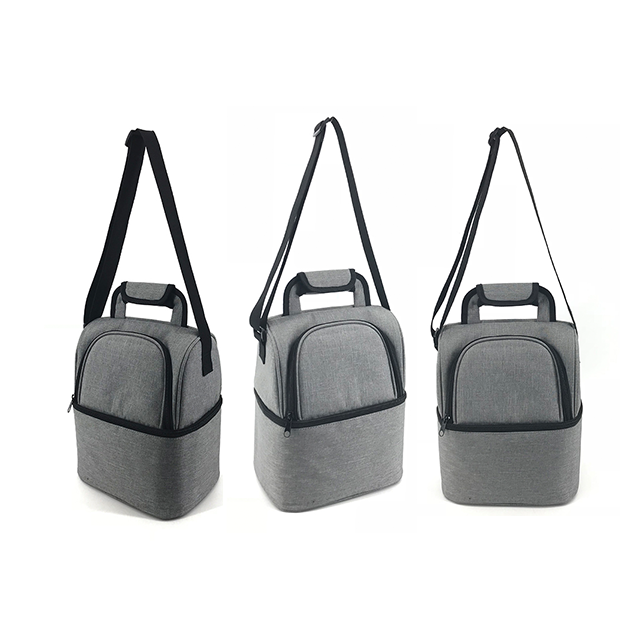
Retail demand for specialized outdoor feeding gear is accelerating fast. Modern parents constantly seek hands-free mobility. They require temperature-safe solutions for their busy lifestyles. Generic cooler bags simply fail here. They do not meet this demographic's specific ergonomic and hygiene requirements. To optimize SKU performance, retail buyers face a critical challenge. They must evaluate new products rigorously. Buyers need verifiable insulation metrics. They must ensure material safety compliance. User-centric physical design is also vital. Getting these choices wrong leads to unsalable inventory. It also damages customer trust permanently. This guide breaks down essential technical specifications. It highlights material tradeoffs you need to know. You will discover key commercial viability factors. These help when shortlisting a supplier for your retail inventory. Read on to build a highly profitable, functional product lineup.
Key Takeaways
Thermal Integrity is Non-Negotiable: Safely storing breastmilk or formula requires a baseline of 12-hour temperature retention, typically achieved via high-grade PEVA or injection-molded insulation.
Ergonomics Drive Adoption: Flat-back designs that prevent "body banging" and 1-inch wide straps significantly outperform traditional cylindrical bags in end-user satisfaction.
Hygiene & Compliance Matter: Leak-proof, non-porous interiors are essential to prevent bacterial growth from spilled milk or formula.
Multi-Functionality Increases Margins: Features like integrated stroller clips and accessory compartments allow retailers to position these as premium, all-in-one solutions.
The Shift Toward Purpose-Built Outdoor Feeding Gear
Consumers constantly rethink how they carry essential items. We see buyers moving aggressively away from bulky diaper bags. They favor modular, specialized solutions instead. A dedicated baby bottle carrier bag perfectly fits this new mobility mindset. Modern parents want lightweight agility above all else. They refuse to lug massive totes for short, targeted trips.
Stocking a specialized outdoor bottle bag creates a powerful value proposition. It caters specifically to high-intent buyers. These customers demand peak convenience during daily activities. Think about weekend hikes, local park visits, or urban commutes. Retailers capture major attention by offering gear designed for these exact micro-moments. A parent heading out for a quick playground visit does not need a full nursery bag. They need a targeted, compact solution for safe feeding.
Furthermore, these items offer massive cross-selling potential. They bridge a highly lucrative gap in the retail space. They sit perfectly between adult hydration accessories and juvenile products. You can capture market share from both segments simultaneously. A well-designed bottle carrier bag appeals to outdoor enthusiasts. It equally attracts new parents. Buyers often purchase them alongside expensive strollers. They also buy them with premium stainless steel water bottles. This dual appeal drives up average order values significantly. Retailers who spot this trend secure much higher profit margins. You position your brand as a lifestyle enabler. This drives repeat visits and strong customer loyalty.
Insulation & Temperature Control Standards
Evaluating thermal materials requires strict attention to detail. You must compare common insulation types rigorously. Base your decisions on strict food safety demands. Keeping breastmilk or infant formula safe is a high-stakes requirement. Bacteria multiply rapidly in the danger zone between 40°F and 140°F. Substandard insulation ruins products. It angers customers and triggers immediate returns. Let us examine the three primary options dominating the market today.
PS Foam offers high temperature retention. However, it is often brittle and fragile. Users find it incredibly difficult to clean. One accidental puncture destroys the thermal barrier completely. Neoprene provides an excellent baseline for moderate weather conditions. It is highly durable and cost-effective. Many B2B buyers prefer neoprene for wholesale sourcing. Finally, PEVA linings represent the industry gold standard. A high-quality insulated bottle tote almost always features PEVA. It offers superior temperature regulation. Parents love the easy, immediate wipe-down capabilities.
Performance benchmarks separate average products from premium ones. Suppliers must provide transparent, verifiable data. You need exact cold and heat retention times. Do not accept vague marketing claims. A reliable bottle meal bag must hold safe temperatures. We expect a minimum of 12 hours for milk safety. Demand official test reports from your vendors. Verify the testing conditions match real-world outdoor environments.
Insulation Material
Thermal Retention
Durability Rating
Cleaning Difficulty
PS Foam
12-16 Hours
Low (Prone to cracking)
High
Neoprene
4-6 Hours
High (Tear resistant)
Low (Machine washable)
PEVA Lining
12-24 Hours
Medium-High
Very Low (Wipe clean)
Best Practice: Always request third-party thermal testing certificates. Do this before placing any bulk purchase orders.
Common Mistake: Relying purely on material thickness. Buyers often ignore material density. Density dictates true insulation quality much more than thickness alone.
Structural Design: Solving End-User Pain Points
End-users care deeply about physical comfort. Traditional cylindrical bags bounce annoyingly during motion. They strike the hip or thigh constantly during walking. We call this the "body banging" effect. It causes immense frustration on long neighborhood walks. Shortlist models featuring a flat-back profile. These designs rest entirely flush against the user's body. They eliminate bouncing entirely. Your customers will notice this ergonomic upgrade immediately.
Base stability acts as another crucial deciding factor. Flimsy bags tip over incredibly easily. They fall off park benches. They collapse on busy cafe tables. This risks disastrous milk or formula spills. You must require a reinforced, widened base. Freestanding stability prevents these messy accidents. It adds a premium, high-end feel to the product. Consumers trust products standing upright independently.
Carrying options and ergonomics dictate daily usability heavily. Strap width matters significantly for comfort. A 1-inch strap width is the true ergonomic sweet spot. It prevents neck chafing during extended wear. Thinner straps cut into shoulders painfully. Thicker straps feel bulky and restrict arm movement. Adjustable lengths remain mandatory for varying user heights.
Integration capabilities further boost widespread retail appeal. Ensure the product functions seamlessly as a stroller bottle bag. It needs durable, standardized attachment clips. Molle-compatible loops offer rugged, tactical versatility. Parents appreciate gear attaching easily to different stroller handles. They want rapid transitions from walking to rolling.
Here are the core structural features you must evaluate before sourcing:
Body Contour: Does the bag feature a flat-back design to prevent bouncing?
Base Reinforcement: Can it stand perfectly upright while fully loaded?
Strap Specifications: Is the main shoulder strap exactly 1 inch wide?
Hardware Quality: Are the attachment clips load-bearing and standardized?
Access Points: Can a parent open the main zipper using only one hand?
Material Safety, Durability, and Hygiene
Any product touching infant food requires strict scrutiny. You must verify interior linings are BPA-free. FDA compliance is absolutely mandatory for these items. Never compromise on material safety certifications. Savvy parents check product labels carefully. They quickly reject items lacking clear safety credentials. Your retail brand reputation depends entirely on these verifications.
Leak-proofing prevents severe hygiene issues down the line. Spilled milk sours very quickly in warm weather. Non-porous, seamless interior linings are therefore mandatory. They prevent liquid absorption perfectly. Porous fabrics trap milk proteins deep inside fibers. This leads to rapid bacterial buildup. It causes foul, impossible-to-remove odors. A seamless interior allows quick wiping. It keeps the product highly sanitary between deep cleans.
Exterior resilience justifies premium retail pricing strategies. You need to evaluate exterior shells carefully. Look for high abrasion resistance ratings. Water resistance keeps internal contents dry during sudden rain. High-denier nylon and polyester perform exceptionally well. Upgraded materials like Cordura offer unmatched longevity. They survive rugged outdoor use easily. Customers gladly pay higher prices for durable gear. They want items surviving multiple children over several years.
Consider these hygiene and durability standards during procurement:
Interior seams: Must be ultrasonically welded. Simple stitching allows hazardous leaks.
Zippers: Require waterproof or reverse-coil designs. These keep out dirt and sand effectively.
Outer shell: Should feature a DWR (Durable Water Repellent) coating for superior weatherproofing.
Sourcing Scalability & Commercial Viability
Retail buyers must balance cost against quality tradeoffs carefully. Neoprene currently dominates the B2B wholesale market. Typical wholesale prices range from $0.50 to $5.00 per unit. Neoprene balances stretch, basic insulation, and low cost perfectly. It serves the budget mass market well. However, up-market retailers should pivot quickly. You must evaluate advanced textiles for genuine brand differentiation. Unique materials command much higher retail margins.
The sustainability upsell is incredibly powerful right now. Eco-friendly materials resonate strongly today. The modern parenting demographic cares deeply about environmental impact. Recycled plastics and repurposed fabrics tell a compelling story. They support significantly higher retail price points. Parents willingly pay a premium for sustainable products. Highlighting eco-friendly sourcing boosts your marketing efforts immensely. It creates an emotional connection with young families.
Warranty and support terms reveal true manufacturer confidence. Assess the manufacturer's historical defect rate upfront. Compare warranty terms carefully across suppliers. A standard 1-year warranty is typical. A lifetime warranty signals extraordinary build quality. Robust warranties protect your retail brand reputation. They reduce costly customer service headaches for your staff. Partner only with suppliers backing their products comprehensively.
Material Type
Target Market Segment
Retail Margin Potential
Key Commercial Selling Point
Standard Neoprene
Mass Market / Budget
Moderate
Machine washable, stretchy fit
High-Denier Nylon
Mid-Tier / Active
High
Abrasion resistant, lightweight carry
Recycled PET (rPET)
Premium / Boutique
Very High
Eco-friendly, modern sustainability
Conclusion
Shortlisting the right supplier requires strict, objective logic. Prioritize vendors balancing verifiable thermal performance with smart designs. Anti-tip bases and ergonomic flat-back profiles win dedicated customers. You must reject SKUs featuring porous interiors. Inadequate strap systems generate negative online reviews quickly. Quality always outpaces cheap pricing in the juvenile sector.
Take immediate action to refine your inventory today. Request physical samples from your top three suppliers. Test base stability on uneven surfaces yourself. Evaluate zipper smoothness using only one hand. Verify true insulation duration through independent testing before committing. Standardize your assessment using a consistent material and compliance matrix. These exact steps guarantee a highly successful, profitable product rollout.
FAQ
Q: What is the ideal capacity for a retail-ready bottle carrier bag?
A: Demand typically splits between two main categories. Compact single-bottle designs are perfect for short commutes and quick errands. Conversely, 4-6 bottle capacities dominate the market for all-day outdoor feeding or childcare drop-offs. Retailers should stock both sizes to capture the full spectrum of parent needs efficiently.
Q: How does a stroller bottle bag differ from a standard carrier?
A: It includes integrated, high-load-bearing clips or velcro straps. These are specifically designed to attach securely to stroller handles without shifting the stroller's center of gravity. Furthermore, they still offer a standard shoulder strap for independent carry when the user leaves the stroller behind.
Q: Are these materials safe for machine washing?
A: Most high-end PEVA-lined or structured bags require simple hand wiping. Machine washing can ruin their internal insulation integrity and warp structural panels. However, neoprene models are typically machine washable. This easy-cleaning aspect serves as a strong selling point for everyday, heavy-use scenarios.