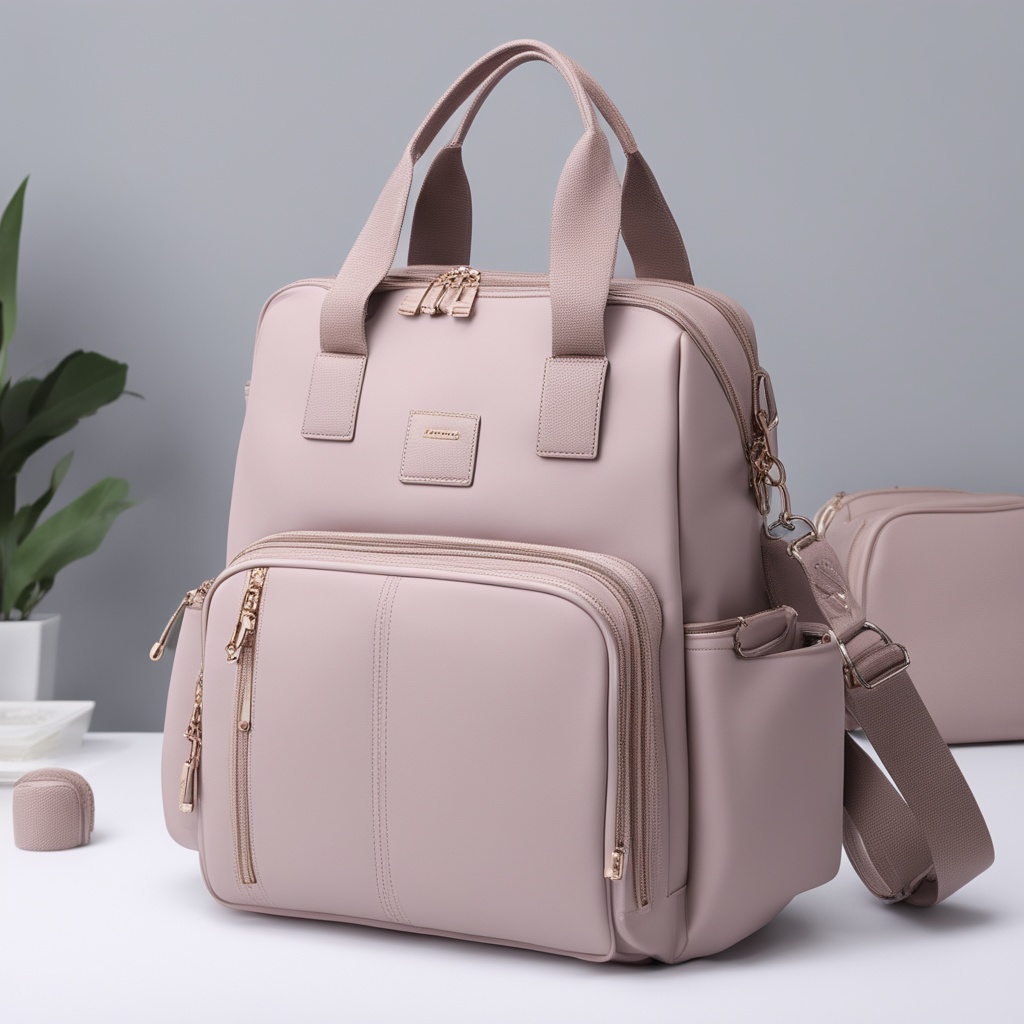
Traveling with infants introduces strict logistical constraints around feeding routines. You cannot simply guess the milk temperature on the go. Managing this precise temperature matters greatly for your baby. It represents a critical food safety and nutritional integrity issue. Relying on ambient temperatures poses high risks for spoilage. Searching for unpredictable access to hot water adds unnecessary stress to your trip. An engineered thermal bag mitigates these risks effectively. It functions as a portable, powerless thermal vault for your baby's meals. We will explore the vital mechanics behind these thermal systems today. You will learn the baseline safety expectations for milk storage. We will also break down the structural criteria you must evaluate before investing in a travel-ready feeding system.
Key Takeaways
Room-temperature storage limits are strict (e.g., 4 hours for breast milk, 2 hours for formula based on general health guidelines); thermal bags extend safe feeding windows.
Not all insulation is equal: dedicated phase-change materials (PCM) and multi-layer thermal barriers outperform basic foil-lined pockets.
When evaluating bags, look beyond aesthetics to structural factors like CPSC compliance, condensation ventilation, and true thermal retention hours.
Proper packing techniques—such as filling air gaps and utilizing dual-zone compartments—dramatically impact real-world performance.
Baseline Safety: The Constraints of Traveling with Milk
Breast milk contains delicate immunological properties and essential enzymes. Temperature fluctuations break down these vital nutrients very quickly. Formula presents a different but equally serious challenge for parents. Warm liquid formula acts as a breeding ground for rapid bacterial growth. You cannot treat milk like regular bottled water during a trip.
Standard health guidelines highlight incredibly strict expiration windows. The CDC states fresh breast milk lasts only four hours at room temperature. Mixed formula spoils even faster under normal conditions. It expires in just two hours outside a refrigerator. These strict constraints make long travel days highly stressful without proper equipment.
Parents often attempt makeshift heating while traveling. You might ask a cafe barista for boiling water. Perhaps you use a public microwave in a tight pinch. These ad-hoc methods create dangerous "hot spots" in the liquid. They also degrade essential nutrients in the milk, compromising your baby's diet. Excessive heat destroys the very antibodies that make breast milk so beneficial.
Instead of reacting to cold milk, focus on proactive prevention. A high-quality baby bottle storage bag maintains an exact temperature baseline. It serves as a preventative shield against rapid heat loss. This approach removes the panic of finding a safe heating source later. It keeps you in control of the feeding schedule.
Built-In Insulated Bottle Pockets vs. Dedicated Coolers
Many parents debate between an all-in-one system and a separate cooler. Let us evaluate the hybrid approach first. A standard diaper bag with insulated holder compartments consolidates your gear efficiently. This minimalist option works beautifully for quick local errands. It provides sufficient thermal protection for short one-to-two hour outings.
However, built-in pockets carry hidden performance risks. Manufacturers often use lower-grade, single-layer foil in these sections. The main bag compartment shares ambient heat with the insulated pocket. This physical proximity can quickly compromise thermal efficiency. Your baby's milk might lose its temperature faster than expected.
Standalone coolers offer a robust, heavy-duty alternative. Independent thermal pods or dual-zone cooler bags use thicker high-density foam. They feature dedicated sleeves for frozen ice packs. They also prevent external condensation from soaking dry diapers or spare clothes.
Standalone solutions shine in demanding travel scenarios. Parents feeding twins naturally need extra storage space. Long-haul flights require extended temperature retention beyond standard limits. Extreme weather conditions demand better insulation than a typical mommy diaper bag provides.
Evaluation Metric
Built-In Insulated Pockets
Dedicated Cooler Bags
Primary Use Case
Short errands, lightweight travel
Long-haul flights, day care, road trips
Insulation Quality
Single-layer reflective foil
Multi-layer high-density foam
Thermal Retention
1 to 2 hours average
4 to 6+ hours (with gel packs)
Condensation Risk
High (can leak to main compartment)
Low (isolated waterproof chambers)
Space Efficiency
High (all-in-one design)
Low (requires carrying an extra bag)
The Mechanics of Thermal Retention in an Insulated Diaper Bag
Thermal retention relies on strict physical principles. A reliable insulated diaper bag blocks both conductive and radiant heat transfer. This complex task requires triple-layer insulation. The exterior needs a durable, weather-resistant shell. The core demands thick, high-density polyethylene foam. The interior relies on a reflective lining to bounce radiant heat back to the source.
Advanced bags integrate phase-change materials (PCM) or specialized gel packs. These active components do more than passively block heat. They actively absorb or release thermal energy to stabilize internal temperatures. This technology originally developed for medical transport now keeps baby formula perfectly chilled.
Zippers and seams often act as hidden failure points. Unsealed zippers let valuable heat escape rapidly. Waterproof, tightly sealed zippers prevent these frustrating thermal leaks. Furthermore, condensation creates unavoidable moisture buildup. Specialized base ventilation allows micro-airflow without compromising temperature. This crucial feature prevents dangerous mold growth inside the bag lining.
Modern designs even handle hot and cold simultaneously. Dual-zone compartment systems use internal thermal barriers. You can safely store pre-warmed water in one section. Meanwhile, chilled fruit purees stay perfectly cold in the adjacent compartment. These physical barriers prevent unwanted heat exchange between the two zones.
Evaluation Framework: Choosing the Right Baby Travel Diaper Bag
You need a structured approach to evaluate a proper baby travel diaper bag. Start by assessing capacity and scalability realistically. Can it hold tall or wide-neck bottles comfortably alongside ice packs? Does it offer extra space for bulky pumping equipment and pacifiers?
Material safety remains an absolute non-negotiable factor. The interior lining touches items your baby consumes directly. It must be explicitly tested and certified by recognized authorities. Look for materials guaranteed free of BPA, lead, heavy metals, and phthalates. Always check for strict compliance with standards like the CPSIA.
Next, differentiate between cleaning realities. "Spot clean only" labels often lead to trouble down the road. Sour milk odors accumulate in these porous fabrics over time. True machine-washable options save immense time and effort. Fully wipeable waterproof interiors also offer superior daily hygiene.
Finally, evaluate portability and empty weight. Carrying baby gear creates a heavy physical burden. Seek quick-release stroller clips and ergonomic shoulder straps. The base weight matters significantly for ultralight travel or hiking scenarios. A heavy bag tires you out before you even pack it with supplies.
Field-Tested Hacks to Maximize Your Mommy Diaper Bag’s Efficiency
Owning good gear is only half the battle. How you pack and use it dictates real-world performance. Thermal dynamics respond to how you prepare the environment. Try these field-tested strategies to maximize your bag's efficiency.
Master Pre-Conditioning: Thermal mass dictates temperature stability. Pre-warm or pre-chill your bag interior for 10 minutes before packing. You can do this by placing a hot towel or ice pack inside temporarily. This drastically extends temperature retention. It stops the bag material from stealing heat from your actual bottles.
Eradicate Dead Air: Empty air gaps destroy thermal efficiency rapidly. You must pack items tightly together. Fill empty gaps inside the insulated bottle pocket immediately. Use dense items like folded muslin cloths to block airflow.
Implement Sequential Packing: If you use ice packs, place them at the very top. Cold air sinks naturally. Placing the cooling source above the bottles ensures even temperature distribution across all liquids.
Practice Strategic Placement: Never leave your bag in direct sunlight. Avoid hot car trunks at all costs. Extreme ambient environments easily breach thermal limits. A car interior hitting 115°F will overpower even the best insulation. Keep the bag shaded and cool whenever possible.
Conclusion
An insulated travel bag acts as an active risk-management tool. It goes far beyond being a simple storage accessory. It ensures vital nutritional safety for your baby on the go. Taking control of thermal limits eliminates the panic of traveling with perishable milk.
Use a simple decision matrix for your purchase. High-quality built-in pockets suffice for short local trips and minimalist packing. However, long-haul travel requires a robust, multi-layer thermal system. Full-day childcare transitions also demand dedicated standalone coolers for maximum safety.
Audit your current travel feeding gear today. Compare your bags against the safety compliance and retention specs detailed above. Upgrade your system if your current setup falls short. Protecting your baby's nutrition is always worth the investment.
FAQ
Q: How long can an insulated diaper bag actually keep bottles warm?
A: It depends heavily on the starting temperature, insulation quality, and external environment. A high-quality bag typically keeps bottles warm for two to four hours. Pre-warming the bag and using dense packing techniques will push this retention closer to the four-hour mark.
Q: Can I use the insulated pocket for both hot and cold items?
A: You cannot mix them in a single compartment. Heat exchange will quickly warm the cold items and cool the hot ones. You need a dual-zone bag with physical thermal barriers. If you have a single zone, use it sequentially for one temperature type.
Q: How do I clean spilled milk out of the insulated lining without damaging it?
A: Wipe the spill immediately with a damp cloth and mild detergent. Avoid harsh abrasives that scratch the reflective lining. You must let the compartment air-dry completely while fully open. Mandatory air-drying prevents mold and sour milk odors from developing in the seams.
Q: Will TSA allow ice packs or gel packs in my insulated bag?
A: Yes. TSA provides exemptions for medically necessary liquids and baby feeding supplies. Frozen gel packs used to cool breast milk or formula are permitted through airport security. Inform the TSA officer about the gel packs before sending your bag through the X-ray machine.