Forgotten something important in the diaper bag? Most parents worry about that. The real question is not what fits, but what is actually useful to bring. In this article, you will learn what to pack based on trip length, feeding needs, and daily situations, so you can carry the essentials without overpacking.
What Items Are Usually Allowed in a Diaper Bag?
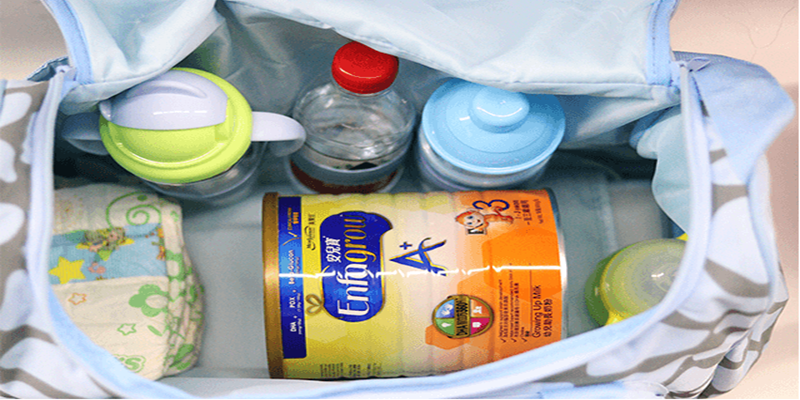
A well-packed diaper bag is less about filling every pocket and more about covering the situations that happen most often when you are out with a baby: diaper changes, feedings, spills, and weather shifts. The source material consistently frames the diaper bag around practical needs rather than strict rules, which makes this section easier to organize by function. In most cases, parents start with diapering supplies, then add feeding items based on how the baby eats, and finally include a small set of comfort layers for messes or changing conditions. The exact mix depends on outing length, baby age, and weather, but these three categories form the everyday baseline of what is usually allowed in a diaper bag.
Category | What usually belongs in the diaper bag | Why it matters |
Core diapering supplies | Diapers, wipes, diaper cream, changing pad, disposal or wet bags, hand sanitizer | Covers the most frequent on-the-go need and makes diaper changes cleaner and easier |
Feeding items | Bottles, formula or expressed milk supplies, bibs, burp cloths, pacifiers, snacks, water, toddler cup | Supports feeding routines at different stages and helps handle dribbles, spit-up, and delays |
Clothing and comfort items | Spare outfit, socks, blanket, hat, light extra layer | Helps with leaks, spills, naps, shade, warmth, and sudden weather changes |
Core diapering supplies
These are the true non-negotiables because they solve the problem a diaper bag is named for. Diapers, wipes, diaper cream, a portable changing pad, and disposal bags appear repeatedly as the basic kit parents reach for first. A practical rule mentioned in the reference content is to pack roughly one diaper for every two to three hours away from home, plus one or two extras for unexpected delays. Wipes do more than one job: they help with diaper changes, quick hand cleanups, and minor messes on surfaces. A changing pad adds a cleaner barrier in public spaces, while disposal or wet bags keep dirty diapers and soiled clothes contained until you can throw them away or wash them.
Feeding items for babies at different stages
Feeding supplies are the most flexible part of a diaper bag because they change with the baby’s age and routine. For bottle-fed babies, that may mean bottles, nipples, and pre-measured formula or stored milk. For breastfed babies, parents may carry expressed milk supplies, a bib, burp cloths, and sometimes a cover. Once solids enter the picture, snacks, water, and a toddler-friendly cup become more useful than extra newborn feeding gear. Pacifiers also fit naturally into this category because they often help bridge the gap between feeds and calm a fussy baby during errands or transit.
Clothing and comfort items for everyday needs
This last group is what keeps a diaper bag practical rather than merely adequate. A spare outfit and extra socks are useful because spit-up, diaper leaks, and drool rarely arrive on schedule. A light blanket is one of the most versatile items in the bag, since it can provide warmth, shade, or a cleaner surface in a pinch. Depending on the forecast, a hat or light extra layer also makes sense, especially when temperatures shift during a longer outing. These items may not get used every trip, but they are often what saves the day when plans stop going exactly as expected.
How Much Should You Pack in a Diaper Bag?
How much you pack should change with the outing, not just with the bag size. A diaper bag that works for a 30-minute errand can feel inadequate during a half-day trip, while a full-day setup can be unnecessarily heavy for a quick stop. The most useful rule is to pack around time away from home, your baby’s feeding routine, and how easy it would be to restock once you are out. The reference material repeatedly treats diaper bag packing as a flexible system rather than a fixed checklist, which is the right approach for this section.
Outing type | Packing focus | Typical strategy |
Short trip | Cover the essentials only | Pack enough diapers for the planned time out, wipes, one feeding setup if needed, and one spare outfit |
Half-day outing | Build in a cushion for delays | Add extra diapers, more feeding supplies, cleanup items, and weather layers |
Full-day outing | Prepare for missed schedules and messes | Bring a fuller backup plan for feeding, clothing changes, comfort items, and storage for dirty items |
What is enough for a short trip
For errands, appointments, or a quick visit, the goal is not to create a miniature nursery. It is to handle the most likely interruptions without making the bag bulky. That usually means packing for one diaper change more than you think you will need, plus wipes and a compact cleanup setup. If your baby may need to eat while you are out, bring a simple feeding arrangement that is ready to use rather than several backup versions. A short trip diaper bag should feel streamlined, because the whole point is mobility. The source content consistently suggests that a small outing still needs the true basics, but not the same level of redundancy as a longer day away.
What to add for longer outings
Once the outing stretches into several hours, the packing logic changes from “just enough” to “enough plus margin.” Longer trips create more chances for diaper leaks, spit-up, hunger, missed nap windows, and weather changes. That is why longer outings usually call for extra diapers, additional feeding supplies, a more complete clothing backup, and a way to separate dirty or wet items from the rest of the bag. This is also where a light blanket, extra bibs, or a second snack become more valuable, because they help absorb the unpredictability of real life with a baby. The source material also emphasizes adding buffer supplies rather than relying on exact calculations, especially when timing may slip.
How your baby’s age changes the packing list
Age matters because the purpose of the bag shifts as your child grows. For newborns, the diaper bag is centered on feeding and diaper changes, so the bag fills quickly with diapers, wipes, bottles or milk supplies, burp cloths, and an extra outfit. For older babies and toddlers, some infant gear starts to matter less, but food and distraction matter more. Snacks, water, a cup, serving tools, and one or two compact toys often become more useful than carrying extra newborn-style feeding items. In other words, the bag may not get smaller right away, but it usually gets different.
What Is Allowed in a Diaper Bag When Traveling?
Travel changes the purpose of a diaper bag. On a normal outing, parents usually pack for a short list of likely needs, but on travel days they also have to prepare for delays, long waits, missed naps, and fewer chances to restock once they are already in transit. That is why a travel diaper bag usually carries more than an everyday version, even when the same core categories stay in place: diapering, feeding, clothing, and comfort. The reference material repeatedly emphasizes that travel packing should build in a buffer, especially for feeding supplies, spare outfits, and items that help keep the baby settled when the schedule goes off track.
Travel situation | What deserves priority | Why it matters |
Airport travel | Feeding liquids, extra diapers, spare clothes, wet bags | Security checks and delays make quick access more important than deep packing |
Road trips | Bottles, snacks, wipes, pacifiers, comfort items | Traffic, limited stops, and car-seat time can quickly disrupt routines |
Long day trips | Backup food, extra layers, cleanup supplies | Parents may be away longer than planned and need flexibility |
What makes a travel diaper bag different
A travel diaper bag is not just a bigger diaper bag. It is a more defensive one. Parents often need extra diapers because travel time is harder to predict than a neighborhood errand, and they usually need more backup clothing because long stretches in a car seat or stroller increase the odds of spit-up, drool, leaks, and food messes. Comfort items also matter more in transit. A light blanket, pacifier, small toy, or familiar bib can help bridge the gap between the baby’s routine at home and the unpredictability of airports, highways, or long waiting periods. The source material also suggests that travel makes “nice-to-have” items more practical, since even minor disruptions feel bigger when parents are far from home.
Which baby liquids and food items matter most on travel days
Feeding supplies become the most sensitive part of the bag on travel days because they are both essential and time-dependent. For bottle-fed babies, that usually means bottles, nipples, and pre-measured formula or properly stored milk. For babies eating solids, parents often need baby food, snacks, water, and a toddler-friendly cup. These items should not be packed deep under spare clothes or miscellaneous extras. The source text places strong emphasis on organizing by category and preparing bottles in advance, including measuring formula ahead of time and keeping breast milk in a cooler when needed. That matters because feeding delays are one of the fastest ways for a smooth trip to become stressful.
How to prepare a diaper bag for airport screening
For airport travel, the smartest strategy is visibility. Baby liquids and feeding items should be grouped together in one easy-to-reach section so they can be removed or presented quickly if required. The same source material also recommends packing liquids and creams in sealed bags to prevent leaks, which becomes even more important when the bag is handled repeatedly during transit. Parents who organize feeding items, cleanup items, and spare clothes into separate pouches usually move through security and gate changes more smoothly because they are not forced to dig through the entire diaper bag each time they need one specific item.
How Can You Pack a Diaper Bag Without Making It Too Heavy?
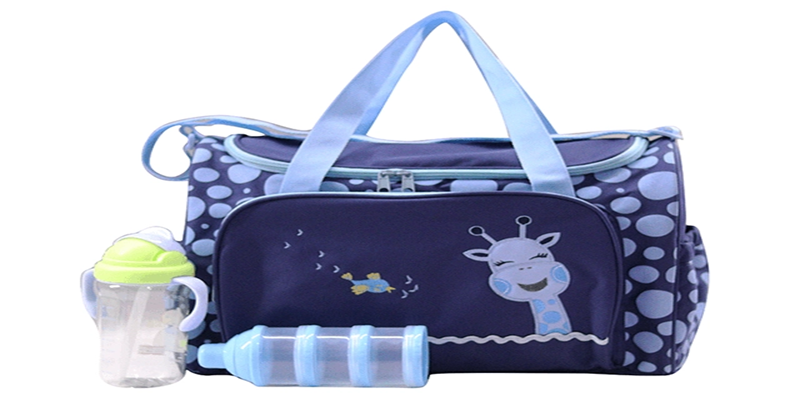
A lighter diaper bag starts with organization, not sacrifice. Most overpacked bags become heavy because parents add duplicate items, lose track of what is already inside, or keep every “just in case” product in the main compartment. A better approach is to pack by function so the bag stays easy to scan and easy to carry. Diapering items should live together, feeding supplies should stay in one zone, spare clothes should be folded into a separate pouch, and parent essentials should have their own pocket. When everything has a home, you are less likely to toss in random backups that add weight without adding much value.
Organize by function instead of packing randomly
The easiest way to reduce bulk is to stop treating the diaper bag like one large storage bin. Bags with compartments already support this system, but even a simple tote can work if you use pouches. A diapering pouch can hold wipes, cream, and disposal bags; a feeding pouch can keep bottles, bibs, and snacks together; a clothing pouch can hold one spare outfit and socks. Parent items such as a phone, wallet, and keys should stay separate so you do not dig through baby supplies every time you need something. This kind of organization does more than save time. It also shows you when a category is getting oversized, which makes it easier to remove nonessential extras before they weigh the whole bag down.
Separate essentials from “just in case” items
The smartest packing filter is to divide everything into two groups: items you are likely to need on most outings, and items that are only useful in specific situations. That keeps the diaper bag realistic instead of aspirational.
Keep in the diaper bag every day | Add only when the outing calls for it |
Diapers, wipes, changing pad, diaper cream, one feeding setup, one spare outfit, disposal bags, parent basics | Toys, multiple bibs, extra snacks, sunscreen, first-aid extras, additional layers, books, backup comfort items |
This distinction matters because optional items are not useless; they are just conditional. A light blanket may be worth carrying on cooler days, while extra toys make more sense for a long wait than for a quick errand. The goal is not to pack less at all costs. It is to keep everyday essentials in the diaper bag at all times, then add a few targeted extras based on destination, weather, and outing length.
Conclusion
A good diaper bag carries the right essentials, not everything at once. The best setup covers feeding, diapering, comfort, and cleanup based on baby age and trip length. Yongchun Haixing Travel Products Co,.Ltd. adds value with practical diaper bag designs that help parents stay organized, prepared, and comfortable on the go.
FAQ
Q: What items are usually allowed in a diaper bag?
A: A diaper bag usually includes diapers, wipes, feeding items, spare clothes, and small comfort supplies.
Q: How much should you pack in a diaper bag?
A: A diaper bag should carry essentials for the outing length, plus a small backup for delays or messes.
Q: Can a diaper bag include baby liquids for travel?
A: Yes, a diaper bag can include baby milk, formula, and food when packed for feeding needs.
Q: How should a diaper bag be organized?
A: A diaper bag should separate diapering, feeding, clothing, and parent items for faster access.


