Parents do not need a diaper bag for every trip, but guessing wrong can make outings harder. The real question is when it becomes truly necessary. In this article, you will learn how trip length, distance, and your child’s stage help decide when a full bag, a lighter option, or no diaper bag makes sense.
When Is a Diaper Bag Actually Necessary?
A diaper bag becomes necessary when leaving home means carrying more than a few small items and needing them quickly, not eventually. In the earliest months, parents are not just bringing diapers. They are also managing feeding, cleanup, clothing changes, and the possibility of messes in places where there is no easy reset button. That is why the reference material consistently frames the diaper bag as a practical “mobile nursery” rather than a simple extra bag: it supports short errands, appointments, and longer outings by keeping baby-care items ready in one place.
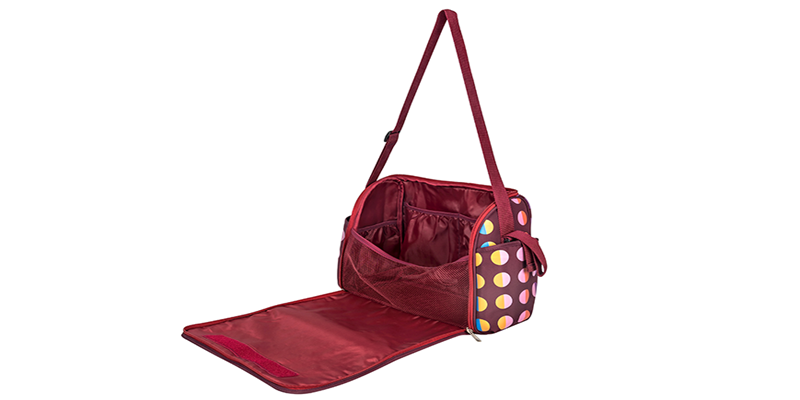
When your baby still needs frequent feeding and changing
The strongest case for using a diaper bag is the stage when your baby still needs regular feeding and diaper changes away from home. Newborns and young infants often require diapers, wipes, bottles or nursing items, burp cloths, diaper cream, and a spare outfit even on brief trips. The point is not just quantity, but unpredictability: spit-up, leaks, or a sudden need to feed can turn a quick outing into a situation that demands several items at once. The source text also suggests that packing needs should match how long you will be out, which reinforces the idea that necessity begins when routine care cannot be postponed until you get back home.
If your outing includes... | A diaper bag is usually necessary because you may need... |
A newborn or young infant | Diapers, wipes, feeding supplies, burp cloths, extra clothes |
More than one feeding window | Bottles, formula or expressed milk, water, bibs, cleanup items |
Public diaper changes | A changing pad, sanitizer, trash bags, diaper cream |
Uncertain timing or delays | Backup diapers, one more outfit, comfort items |
When you will be away from home long enough that “just in case” items matter
A diaper bag also becomes necessary when you will be out long enough that backup items stop feeling optional. Once parents cannot easily return home, “just in case” supplies become part of basic planning. These usually include an extra diaper or two, a clean outfit, feeding supplies, and something to handle spills or dirty clothes. The reference file repeatedly emphasizes that packing too little creates stress, while packing strategically protects the outing from common disruptions such as diaper leaks, spit-up, or delays.
When convenience matters as much as storage
Storage alone is not the real advantage. A diaper bag matters because parents often need fast, organized access in public settings. Separate sections for diapers, wipes, bottles, and personal items reduce digging and keep baby essentials from mixing with keys, wallets, or phones. The source material highlights compartments, wipe-clean materials, insulated pockets, and changing pads as practical features that make outings more manageable, especially when a parent is holding the baby at the same time. In that sense, a diaper bag becomes necessary the moment speed, order, and cleanliness matter as much as carrying capacity.
How Outing Length Changes Whether You Need a Diaper Bag
How long you plan to be out is one of the clearest ways to decide whether you need a full diaper bag, a lighter setup, or something in between. The source material repeatedly links packing decisions to trip duration, noting that parents do not need the same bag for a 30-minute errand that they need for a day-long outing. It also makes an important practical point: packing too little can leave you unprepared, while packing too much turns even a simple trip into extra work. That is why outing length matters so much. It helps parents match the size of the diaper bag to the real demands of the day rather than treating every trip the same.
Very short outings close to home
For very short outings, some parents can skip a full diaper bag and carry only a few essentials. This usually applies to a quick stroller walk, a short drive to pick something up, or a brief errand where home is still nearby and the schedule is easy to control. In the reference text, short trips are described as outings where a diaper and a small pack of wipes may be enough for minimalist parents, especially when the trip is low-risk and can be cut short without much disruption. That does not mean going out empty-handed. It means choosing a simplified setup because the margin for error is still manageable.
Standard outings of a few hours
A few hours away from home is the most typical point where a diaper bag starts to make clear sense. Once the outing stretches beyond a very quick trip, parents usually need enough supplies that a small purse or compact pouch becomes inconvenient. The source file frames this range as the “essentials” zone: enough time for a diaper change, feeding, spill, or clothing issue to become likely rather than theoretical. At that point, the value of a diaper bag is not just space but organization. Parents can keep care items accessible without stuffing them into a personal bag or carrying several loose items by hand.
Outing length | Typical setup | Why it usually works |
Very short trips close to home | Minimal pouch or a few essentials in a regular bag | Easy to return home, lower need for backups |
A few hours out | Standard diaper bag | Enough time for diaper changes, feeding, and one unexpected mess |
Full-day outings | Large diaper bag or backpack | Requires extra clothes, more food, additional cleanup items, and comfort items |
Travel or extended time away | Fully stocked diaper bag plus travel-specific extras | Limited access to replacements, laundry, or a quick return home |
Full-day outings or unpredictable schedules
Once the outing becomes a full day or includes several stops, a diaper bag becomes much more useful. Family visits, longer appointments, social events, and loosely planned days all increase uncertainty. The source content specifically connects all-day outings with the need for backup outfits, multiple feedings, extra toys, and weather-related items. In other words, the longer and less predictable the day becomes, the more a diaper bag functions as insurance. It protects the outing from delays, messes, hunger, and sudden changes in routine without forcing parents to improvise in public.
Travel and extended time away from home
Travel days raise the stakes even more because parents cannot easily replace forgotten items. Long car rides, flights, overnight stays, and extended time with relatives all require a more intentional diaper bag setup. The reference file suggests thinking not only about diapers and wipes, but also about extra clothing, feeding supplies, comfort items, cleanup tools, and weather-specific gear for longer trips. It also recommends planning ahead and, when needed, keeping extra supplies in the car so parents can travel lighter without being underprepared. On travel days, a diaper bag is less about convenience alone and more about maintaining flexibility when home, laundry, and restocking are no longer close by.
When to Use a Diaper Bag as Your Child Gets Older
A diaper bag does not become irrelevant the moment a baby leaves the newborn stage. What changes first is not whether you need one, but what you need it to carry. The source material makes this progression clear: diaper bag use usually begins at birth, stays most intensive through infancy, then gradually becomes lighter and more selective as children grow more mobile, eat differently, and become less dependent on full on-the-go care. Instead of thinking about one fixed packing list, it helps to see the diaper bag as something that should evolve with your child’s stage.
The newborn and infant stage
This is the period when most parents use a diaper bag most consistently, because leaving home with a young baby usually means preparing for several care routines at once. Feeding, diaper changes, spit-up, cleanup, and soothing can all happen within a short outing, so the bag needs to support frequent interruptions rather than just hold a few backup items. The source content repeatedly points to this stage as the one with the highest volume of supplies, including diapers, wipes, bottles or feeding items, burp cloths, extra clothes, a changing pad, and comfort items. That level of preparation is why a regular handbag often stops being practical in the first year.
Child stage | How the diaper bag is usually used | Main focus of what you carry |
Newborn and young infant | Full-time, most outings | Feeding, changing, cleaning, soothing |
Toddler | Still useful, but less baby-heavy | Snacks, drinks, wipes, spare clothes, activities |
Potty training transition | Lighter and more selective | Emergency clothing, wipes, training support |
The toddler stage
By toddlerhood, the diaper bag is still useful, but the logic behind it changes. Parents often carry fewer feeding tools and fewer diaper-related supplies than before, yet the bag continues to earn its place because toddlers bring a different kind of unpredictability. Snacks, water, wipes, a change of clothes, and a small activity item often replace some of the bulkier infant essentials. The source text also notes a transition around the second year, when bottles and burp cloths may give way to finger foods, sippy cups, books, or simple toys. So the diaper bag does not disappear at this stage; it becomes more about mobility, mess management, and keeping a toddler occupied while out.
The potty training transition
Potty training is often the point when parents begin carrying less and thinking more in terms of emergencies than routine baby care. Diapers may be reduced to pull-ups or training pants, and the bag often shrinks because daily feeding and changing needs are no longer as constant. At this point, the source material suggests that many parents downsize to a lighter bag while keeping a few key items close: wipes, spare underwear, extra pants, and sometimes a backup kit in the car. The diaper bag can still be useful here, but it works best as a compact safety net rather than a full baby station.
When Can You Stop Using a Diaper Bag?
Parents usually stop using a diaper bag when daily outings no longer involve a full set of care routines. The strongest shift happens after diaper changes, bottle feeding, and frequent clothing changes stop being regular parts of leaving the house. In the source material, this change is tied to growing independence: once a child is fully potty trained and accidents become less common, many families no longer need a dedicated bag built around diapers, feeding supplies, and cleanup gear. At that point, the diaper bag stops being a default and becomes a choice based on convenience rather than necessity.
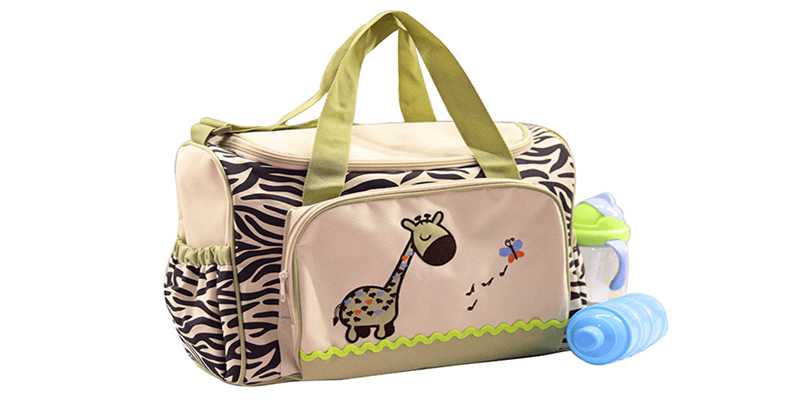
When your child no longer needs multiple daily care items outside the home
A diaper bag begins to feel unnecessary when most outings no longer require parents to prepare for feeding, changing, and messes all at once. That usually means no bottles, no routine diaper changes, and no expectation that a short trip will turn into a full cleanup situation. The reference text places this transition around the time children are potty trained, often between ages two and four, though the exact timing depends on the child and the family’s routine.
When a smaller everyday bag can cover the essentials
Many parents reach a stage where a regular backpack, tote, or handbag works just as well because they only need a few basics for most trips. Instead of carrying a full diaper setup, they may only need wipes, a snack, a drink, and one spare clothing item. This is also the point when downsizing feels practical rather than risky, because the child’s needs are easier to predict and the parent is no longer packing for every possible scenario.
Transition stage | What parents often carry instead |
Fewer routine care needs | Wipes, snacks, drink, one spare item |
Potty training stage | Spare underwear, pants, wipes, occasional pull-up |
After full potty training | Small handbag, tote, or backpack with a few child essentials |
When a backup kit works better than carrying a diaper bag everywhere
A common final step is keeping emergency supplies in the car or stroller instead of carrying them on every outing. The source text specifically suggests a small backup kit with extra clothes, wipes, food, or simple first-aid items, which lets parents travel lighter without feeling unprepared. This approach works best when outings are predictable and parents are consistently bringing home more than they actually use.
Conclusion
There is no single age when a diaper bag stops being useful. It matters most when your child still needs care, backup supplies, and quick access on the go. As daily needs become simpler, parents can carry less. Yongchun Haixing Travel Products Co,.Ltd. offers practical diaper bag solutions with useful features that support organized, flexible family travel.
FAQ
Q: When is a diaper bag necessary?
A: A diaper bag is necessary when outings require diapers, feeding items, wipes, or spare clothes.
Q: Can a diaper bag replace a regular bag for short trips?
A: For short trips, a diaper bag may be replaced by a smaller bag if essentials are limited.
Q: When can parents stop using a diaper bag?
A: Parents can stop using a diaper bag when potty training is complete and backup items are rarely needed.


