Buying the wrong diaper bag can make every outing harder. It is not just about pockets or size. It is about making daily trips smoother and less stressful. In this article, you will learn what features matter most, how to match a diaper bag to your routine, and which buying mistakes to avoid.
The Most Important Things to Look for in a Diaper Bag
A diaper bag only feels “big enough” when it matches the way you actually leave the house. For a quick grocery run, you may only need diapers, wipes, one bottle, a spare outfit, and a few parent essentials. For longer days out, the load grows fast: snacks, burp cloths, extra layers, creams, toys, and personal items all compete for space. That is why the best diaper bag is not simply the largest one on the shelf. It should hold your daily must-haves comfortably without becoming so oversized that everything shifts around or the bag feels heavy before the day even starts. A smart choice is a bag with a roomy main compartment plus just enough structured storage to keep bulk under control.
Size that fits your daily routine
Before buying, think about your most common outing rather than your most extreme one. A diaper bag for short errands should feel compact and easy to grab, while one for half-day trips or travel needs more capacity and better load distribution. Parents often regret buying a bag that looks spacious but wastes room with a poor layout, or one that seems sleek but cannot handle even the basics once bottles, clothes, and wipes are packed. The right size should support your routine, not force you to edit it every time you go out.
Routine type | What the diaper bag should handle | Best size mindset |
Short errands | Diapers, wipes, one feeding item, keys, phone, wallet | Compact and lightweight |
Half-day outings | Extra clothes, snacks, bottles, creams, changing pad | Medium capacity with structure |
Full-day trips or travel | Multiple feedings, comfort items, backup outfits, parent extras | Larger bag with organized zones |
Organization that saves time
Organization is what turns a diaper bag from a storage sack into a useful parenting tool. In real life, you rarely have the luxury of setting the bag down, opening it slowly, and searching with both hands. You are usually holding a baby, guiding a stroller, or trying to solve a problem quickly. A good diaper bag should separate categories clearly: bottles should not roll into spare clothes, and wipes should not disappear under blankets or toys. Useful compartments make the biggest difference when they support how parents naturally pack and reach for items.
Look for organization features such as:
● separate bottle pockets that keep feeding items upright
● a wipes-friendly pocket or easy-access front section
● interior dividers for clothes, diapers, and creams
● a dedicated place for parent items like phone, wallet, and keys
Just as important, the inside of the bag should be easy to scan. Wide openings help, but so does a layout that prevents small items from getting buried at the bottom. When a diaper bag lets you find what you need in seconds, it reduces stress in exactly the moments that matter most.
Comfort you can rely on every day
Comfort is easy to underestimate when the bag is empty and easy to notice when it is fully packed. Once you add bottles, extra clothing, wipes, and your own essentials, even a stylish diaper bag can become tiring if the straps are thin or the weight pulls awkwardly on one side. Parents who are out often, walk frequently, or share carrying duties should pay close attention to how the bag handles a full load.
A comfortable diaper bag usually gets the basics right:
● padded straps that do not dig into the shoulder
● adjustable fit for different body types
● balanced weight distribution that keeps the bag from swinging or sagging
The best diaper bag should feel manageable from the car to the store, from the park to the changing room, and from the first hour out to the last. If carrying it already seems annoying in theory, it will become worse in practice.
How to Choose a Diaper Bag Based on Your Lifestyle
A diaper bag should fit the rhythm of your daily life, not just look useful on paper. Parents often make the mistake of choosing based on appearance or overall size, then realize the bag does not match how they actually go out. The better approach is to think about your most common routine first. A family that mainly runs short errands needs something very different from one that spends long days outside the house. The right diaper bag becomes easier to identify once you match it to your habits, your carrying style, and the amount of baby gear you realistically bring.
For short errands and daily outings
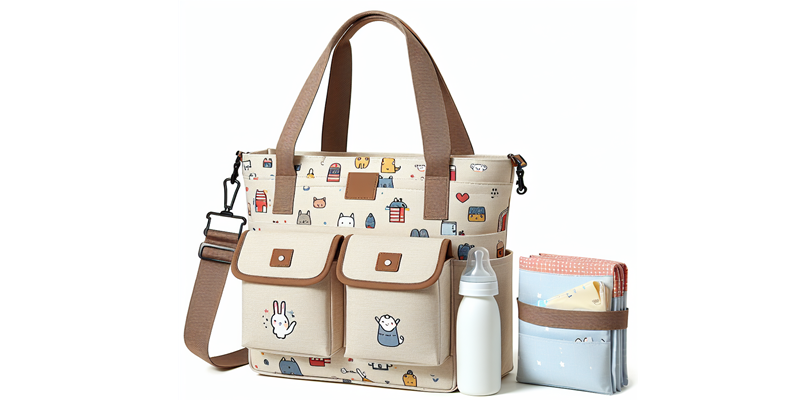
If most of your trips are quick—school drop-offs, grocery runs, doctor visits, or a stop at the park—a compact and lightweight diaper bag usually works better than a large one. You still need room for the basics, but convenience matters more than maximum capacity. A bulky bag can slow you down, feel awkward in tight spaces, and turn a short outing into more effort than it should be. For these routines, easy opening, quick-access pockets, and a layout that lets you grab wipes, a bottle, or a diaper without digging around are more valuable than carrying extra space you may never use.
For longer outings or all-day use
Longer days out place very different demands on a diaper bag. Once you add extra outfits, more feeding supplies, snacks, comfort items, and cleanup essentials, the bag needs both larger capacity and better internal structure. It should help you separate categories clearly so feeding items, spare clothes, and messy items do not end up mixed together. Carrying support also becomes more important over time, because even a well-designed bag can feel tiring if it lacks balance or comfortable straps. For extended use, it helps to think less about whether the bag can hold everything and more about whether it can hold everything without becoming frustrating halfway through the day.
Lifestyle need | Best diaper bag priority |
Short errands | Lightweight build, quick access, compact storage |
Half-day outings | Balanced capacity, strong organization, easy carrying |
All-day trips or travel | Larger storage, better support, separate zones for clean and messy items |
For shared use between caregivers
When a diaper bag is shared, practicality matters even more. It should feel comfortable and intuitive for whoever carries it, whether that is one parent, both parents, or another caregiver. Adjustable straps, easy handling, and a layout that makes sense at a glance are often more important than a highly styled design. Shared use also works better when the bag feels versatile rather than overly specific in look or structure.
A shared diaper bag tends to work best when it offers:
● adjustable carrying options for different heights and preferences
● a practical shape that is easy to load and carry
● clear storage zones that any caregiver can learn quickly
The more naturally the bag fits different routines and users, the less likely it is to become a bag that only one person wants to carry.
Which Diaper Bag Features Matter Most in Real Use?
The best diaper bag features are not the ones that sound impressive in a product description. They are the ones that keep working when the bag is packed, the baby is fussy, and you need to find something quickly. In real use, parents deal with mess, repetition, and wear much more than they deal with ideal conditions. That is why materials, construction, practical feeding storage, and a few well-chosen extras matter far more than decorative add-ons. The most useful diaper bag is one that stays easy to clean, easy to carry, and easy to manage over time.
Easy-to-clean materials
Spills, leaks, crumbs, and dirty items are part of normal life with a baby, so a diaper bag should be built with that reality in mind. A wipe-clean lining is especially helpful because the inside of the bag usually takes the most abuse from open snack packs, used burp cloths, bottles, and creams. Water-resistant exterior fabric also adds practical value, protecting the contents from light rain, damp surfaces, and accidental splashes. Washable fabric can be even better for parents who use the bag daily and want a refresh without too much effort. Instead of treating easy-care materials as a bonus, it makes more sense to see them as a basic requirement for a bag that will be used often.
Durable construction
A diaper bag does not just carry baby items; it carries weight, gets opened constantly, and is often set down in less-than-ideal places. That is why construction matters as much as layout. Strong zippers help the bag open smoothly even when it is full, reinforced stitching reduces the risk of seam failure, and sturdy straps make a noticeable difference once bottles, clothes, and parent essentials are added. Shape matters too. A bag that keeps its structure and stands upright is easier to pack, easier to access, and less likely to spill its contents when placed on the floor. Durability is not only about how long the bag lasts. It also affects daily convenience, because a bag that sags, tips, or sticks at the zipper becomes frustrating long before it actually breaks.
Feature area | Why it matters in real use |
Wipe-clean lining | Makes it easier to deal with milk drips, crumbs, and cream residue |
Water-resistant exterior | Helps protect supplies from weather and accidental splashes |
Strong zippers and stitching | Supports repeated opening, heavy packing, and daily wear |
Structured shape or stable base | Keeps the bag upright and reduces spills during changes or quick stops |
Feeding and mess-management features
Feeding-related storage is one of the clearest examples of a feature that becomes more useful in real life than it may first appear. Insulated bottle pockets can help maintain the temperature of milk, water, or snacks during outings, which becomes especially useful on longer trips or when refrigeration is not available. Separate storage for wet clothes, used bibs, or dirty items is equally valuable because it keeps clean supplies from mixing with the messier parts of the day. A diaper bag with dedicated space for these items feels more functional because it reduces the need for improvised solutions once you are already out.
Extras that are helpful, not distracting
Some extras genuinely improve everyday use, but only when they support the main job of the bag. The most helpful ones are:
● a foldable changing pad for fast, cleaner diaper changes away from home
● stroller straps for keeping the bag accessible without carrying it constantly
● quick-access pockets for wipes, keys, or other items you reach for often
These details work best when they simplify the routine rather than compete with it. A diaper bag does not need more features than you will use; it needs the right ones in the right places.
Common Mistakes to Avoid When Buying a Diaper Bag
A diaper bag can look like the perfect purchase at first glance and still become annoying in daily use. Many buying mistakes happen because parents focus on what is easy to notice—shape, color, or the promise of “more space”—instead of what makes the bag work under pressure. In practice, the best diaper bag is the one that stays organized, feels comfortable when packed, and continues to suit your routine as your child grows.
Choosing style over practicality
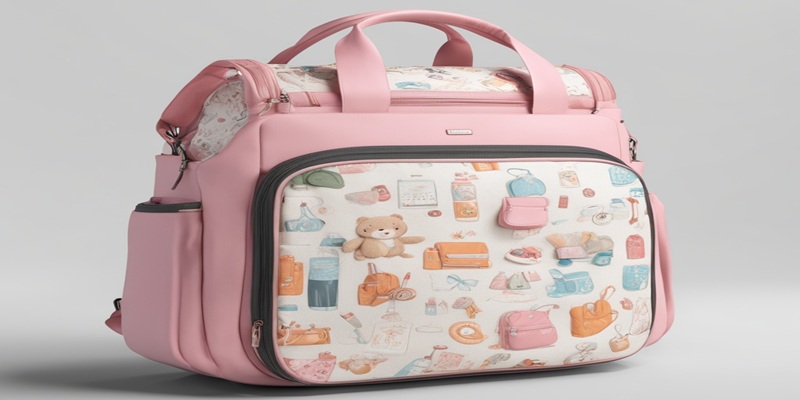
It is easy to be drawn to a diaper bag that looks polished or blends in with your everyday wardrobe. Style matters, but it should never come before function. A bag may look sleek and still fail where it counts if the opening is narrow, the compartments are poorly placed, or the straps become uncomfortable after an hour out. The smarter approach is to judge performance first: how quickly you can reach wipes, whether bottles stay upright, and whether the bag remains easy to carry once fully loaded. A diaper bag that looks good but slows you down will not feel like a good choice for long.
Buying more space than you really need
Bigger is not always better. Oversized diaper bags often seem practical because they promise room for everything, but extra capacity can create new problems. The bag becomes heavier, small items get lost more easily, and the overall shape may feel bulky during simple errands. What matters more than raw size is whether the storage matches your typical routine and keeps essentials easy to find.
Mistake | What usually happens |
Choosing a bag mainly for appearance | Daily use feels awkward or frustrating |
Buying the biggest option available | The bag gets heavy and harder to organize |
Focusing only on current needs | The bag feels limiting later |
Ignoring long-term usability
A diaper bag is often used for years, not just during the newborn stage. Routines change, packing needs shift, and many parents want one bag that can still work beyond the heaviest diapering period. That makes versatility a better investment than short-term convenience alone. Features like durable materials, adaptable compartments, and a design that works for different caregivers can help the bag stay useful far longer than a trendy choice built around a narrow moment.
Conclusion
The best diaper bag fits your routine, not just your style. The right size, smart storage, comfort, durable materials, and useful features all matter. Yongchun Haixing Travel Products Co,.Ltd. offers diaper bag solutions designed for real daily use, helping parents stay organized, comfortable, and prepared wherever they go.
FAQ
Q: What size diaper bag is best for daily use?
A: The best diaper bag size fits daily essentials without adding bulk or making items hard to find.
Q: Which diaper bag features matter most?
A: A good diaper bag should offer organized compartments, durable materials, easy-clean surfaces, and comfortable carrying support.
Q: Is a larger diaper bag always better?
A: No. A larger diaper bag can become heavier, harder to organize, and less practical for short outings.
Q: How do I choose a diaper bag for multiple caregivers?
A: Choose a diaper bag with adjustable straps, simple organization, and a design that works across different routines.


