When preparing for a new baby, many parents come across two seemingly similar products: the changing pad and the changing mat. At first glance, they appear interchangeable, but their design, function, and usage scenarios differ in meaningful ways. Understanding these differences is essential for building a practical diaper-changing routine that fits modern lifestyles.
In recent years, the changing mat has gained significant popularity due to its portability, ease of cleaning, and adaptability across different environments. While traditional changing pads still have their place in nursery setups, more parents are shifting toward flexible solutions that match on-the-go parenting habits.
Choosing between the two is not simply about preference—it often depends on daily routines, available space, and how frequently diaper changes occur outside the home.
Key Takeaways
● A changing mat is lightweight, foldable, and designed for portability.
● A changing pad is thicker and typically used in a fixed nursery setup.
● Changing mats are easier to clean and more versatile for travel and daily outings.
● Modern parenting trends increasingly favor the convenience of a changing mat.
What Is a Changing Mat?
Definition and Core Features
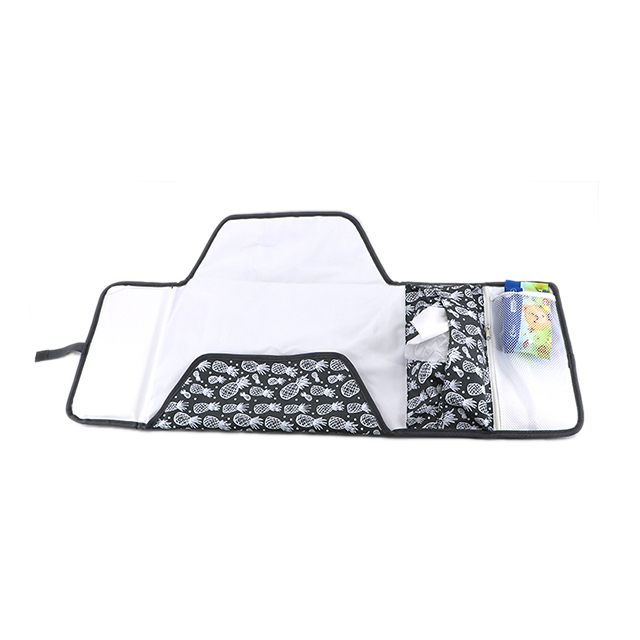
A changing mat is a portable surface designed to provide a clean, safe area for diaper changes in various locations. It is usually made from soft, waterproof materials and can be folded or rolled for easy transport. Unlike bulkier alternatives, it prioritizes flexibility and convenience over structure.
The design often includes padding that is thin yet sufficient to protect the baby from hard or unclean surfaces. Many versions also feature wipeable coatings, allowing quick cleaning after each use. This makes a changing mat suitable for both indoor and outdoor environments.
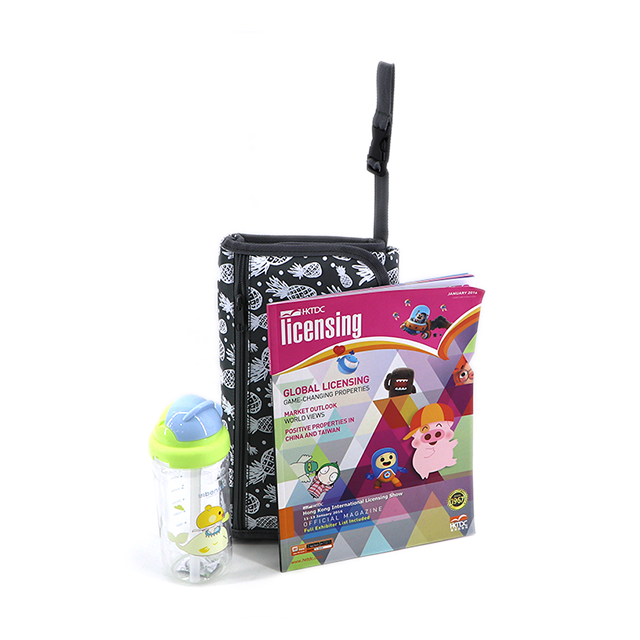
Because of its compact nature, a changing mat can easily fit into diaper bags or backpacks, making it an essential item for parents who frequently leave the house with their baby.
Common Use Scenarios
A changing mat is frequently used in situations where access to a dedicated changing station is limited or unavailable. Public restrooms, parks, cars, and travel environments are typical places where it becomes indispensable. Its ability to transform almost any flat surface into a hygienic changing area makes it highly adaptable.
At home, it can also serve as a temporary solution on beds, sofas, or floors. This flexibility allows parents to avoid being confined to a single changing location, especially during busy routines.
The growing demand for mobility in parenting has made the changing mat a standard item rather than an optional accessory.
Material and Design Variations
Changing mats come in a variety of materials, including foam-backed fabrics, coated textiles, and eco-friendly options. Waterproof layers are a standard feature, ensuring that spills and accidents do not seep through.
Some designs incorporate additional elements such as pockets for wipes and diapers, while others focus on ultra-lightweight construction. Foldable and roll-up designs are especially popular due to their space-saving advantages.
The combination of durability, hygiene, and portability has positioned the changing mat as a practical choice for modern households.
What Is a Changing Pad?
Structure and Design
A changing pad is a more structured and stationary product designed primarily for use on a changing table. It typically features thick cushioning and raised sides to provide additional support and safety during diaper changes.
The surface is often covered with a removable or washable cover, and the base may include straps or non-slip materials to keep it securely in place. This stability is one of the defining characteristics that distinguishes it from a changing mat.
Because of its size and weight, a changing pad is not intended for frequent movement or travel.
Typical Usage in Nurseries
Changing pads are commonly found in dedicated nursery spaces where diaper changes occur in a consistent location. They are often placed on top of dressers or changing tables, creating a fixed station that organizes all necessary supplies.
This setup allows for a more ergonomic experience, as parents do not need to bend down frequently. It also helps keep baby care items centralized, reducing the need to move around during diaper changes.
However, this stationary nature limits its usefulness outside the home or in dynamic environments.
Limitations in Everyday Use
While changing pads provide comfort and structure, they lack portability. Transporting one is inconvenient, and setting it up in temporary locations is impractical.
Cleaning can also be more time-consuming, especially if fabric covers are involved. Unlike a changing mat, which can be wiped clean instantly, a changing pad may require removing and washing covers after accidents.
These limitations make it less suitable for parents who prioritize flexibility and mobility in their daily routines.
Changing Mat vs Changing Pad: Key Differences
Portability and Convenience
The most significant difference lies in portability. A changing mat is designed to be carried anywhere, while a changing pad is intended to remain in one place. This distinction directly affects how each product fits into daily life.
Parents who frequently travel or spend time outside the home often rely on a changing mat for its ease of transport. In contrast, a changing pad is more suited to structured environments where movement is minimal.
Comfort and Support
Changing pads offer thicker cushioning and additional support, which can be beneficial for newborns during longer diaper-changing sessions. The raised edges provide a sense of security and help keep the baby in position.
A changing mat, while thinner, still provides adequate comfort for short-term use. Its primary focus is practicality rather than extended support.
Hygiene and Maintenance
Cleaning is another area where differences become apparent. A changing mat typically features waterproof materials that can be wiped clean within seconds. This makes it highly efficient for repeated use throughout the day.
Changing pads often require more maintenance due to fabric covers and layered construction. This can add extra steps to the cleaning process, especially after frequent use.
Feature | Changing Mat | Changing Pad |
Portability | High, foldable and lightweight | Low, bulky and stationary |
Thickness | Thin and flexible | Thick and structured |
Best Use | Travel, outdoor, multi-location use | Nursery, fixed changing station |
Cleaning Method | Wipe-clean surface | Removable covers, more maintenance |
Storage | Compact, easy to store | Requires dedicated space |
Which One Should You Choose?
Choosing Based on Lifestyle
The decision between a changing mat and a changing pad often depends on lifestyle. For families who are frequently on the move, the portability of a changing mat aligns better with daily needs. It allows diaper changes to happen anywhere without compromising hygiene.
For those who prefer a structured home environment with a dedicated nursery, a changing pad can provide stability and comfort. It supports longer sessions and keeps supplies organized in one place.
Understanding how often diaper changes occur outside the home is a key factor in making the right choice.
Space Considerations
Living space also plays an important role. In smaller homes or apartments, a changing mat offers a space-saving solution that can be stored easily when not in use. It eliminates the need for bulky furniture or permanent setups.
A changing pad, on the other hand, requires a designated area. This may not be practical in environments where space is limited or shared among multiple functions.
Flexibility becomes increasingly valuable in compact living situations.
Cost and Long-Term Use
Changing mats are generally more affordable and versatile, making them suitable for long-term use across different stages of parenting. Their adaptability allows them to remain useful even as routines change.
Changing pads may involve higher initial costs, especially when combined with furniture and accessories. Their use is often limited to a specific phase and location.
Balancing cost with usability can help determine which option provides better overall value.
Why More Parents Prefer Changing Mats Today
Shift Toward Mobility
Modern parenting often involves travel, outdoor activities, and dynamic schedules. A changing mat fits seamlessly into this lifestyle by offering a portable and reliable solution for diaper changes anywhere.
This shift reflects broader trends in convenience and adaptability, where products are expected to perform across multiple environments.
The increasing demand for flexibility has made the changing mat a preferred choice in many households.
Hygiene Awareness
Public spaces can present hygiene challenges, making a clean barrier essential during diaper changes. A changing mat provides a protective layer that minimizes contact with potentially unclean surfaces.
Its waterproof design ensures that spills do not penetrate, maintaining cleanliness for both the baby and the surrounding area.
This focus on hygiene has contributed to its widespread adoption.
Minimalist Parenting Trends
Minimalism has influenced many aspects of parenting, including product choices. A changing mat aligns with this approach by offering functionality without unnecessary bulk.
Instead of investing in multiple specialized items, many parents opt for versatile solutions that serve multiple purposes.
The simplicity and efficiency of a changing mat make it a natural fit within minimalist lifestyles.
Comparison of Use Scenarios
Scenario | Changing Mat Performance | Changing Pad Performance |
Traveling | Excellent | Poor |
Public Restrooms | Highly practical | Not suitable |
Home Nursery | Good | Excellent |
Small Spaces | Ideal | Limited |
Outdoor Use | Highly adaptable | Not practical |
How to Choose the Best Changing Mat
Material and Waterproofing
Material quality is one of the most important factors when selecting a changing mat. Waterproof layers prevent leaks from reaching underlying surfaces, ensuring easy cleanup and maintaining hygiene.
Durable materials also extend the lifespan of the product, allowing it to withstand repeated folding and use. Soft yet resilient textures provide comfort without compromising practicality.
Choosing the right material ensures both safety and convenience.
Size and Foldability
The size of a changing mat should balance comfort and portability. A mat that is too small may not provide adequate coverage, while one that is too large can be difficult to carry.
Foldability is equally important, as it determines how easily the mat can be stored and transported. Compact designs that fold neatly are particularly useful for travel and daily outings.
A well-sized, foldable changing mat enhances usability across different situations.
Ease of Cleaning
Frequent use makes easy cleaning essential. A changing mat with a wipeable surface allows quick maintenance after each diaper change, reducing the need for washing or additional cleaning steps.
This convenience is especially valuable in busy environments where time is limited. It ensures that the mat remains ready for immediate reuse.
Maintaining cleanliness with minimal effort is a key advantage.
Additional Features
Some changing mats include extra features such as built-in pockets, anti-slip backing, or reinforced edges. These additions can improve functionality without adding unnecessary complexity.
While not always essential, they can enhance the overall experience and adapt the mat to specific needs.
Selecting features based on actual usage patterns helps avoid unnecessary bulk while maximizing practicality.
Conclusion
The difference between a changing mat and a changing pad ultimately comes down to flexibility versus structure. While changing pads remain useful in dedicated nursery setups, the growing preference for mobility, hygiene, and space efficiency has made the changing mat a more versatile solution for everyday use.
As parenting continues to evolve toward convenience and adaptability, the role of portable essentials becomes increasingly important. A well-designed changing mat supports this shift by offering a practical, reliable option for diaper changes in any environment.
For those seeking consistent quality and thoughtful design, Yongchun Haixing Travel Products Co,.Ltd. provides solutions aligned with modern parenting needs.
FAQ
What is the main difference between a changing mat and a changing pad?
The main difference lies in portability and structure. A changing mat is lightweight and designed for use in multiple locations, while a changing pad is thicker and intended for a fixed nursery setup. Each serves a different purpose depending on daily routines.
Can a changing mat replace a changing pad?
In many cases, a changing mat can serve as a complete replacement, especially for families who prioritize flexibility. It can be used both at home and on the go, making it a versatile alternative. However, some may still prefer the added support of a changing pad in a nursery.
Is a changing mat safe for newborns?
A changing mat is generally safe for newborns when used on a stable surface. It provides sufficient cushioning for short-term use and creates a clean barrier during diaper changes. Supervision is always important regardless of the product used.
How often should a changing mat be cleaned?
A changing mat should be cleaned after each use, especially if there are spills or accidents. Wipeable surfaces make this process quick and efficient. Regular cleaning helps maintain hygiene and prolongs the product’s lifespan.
Do I need both a changing mat and a changing pad?
Some families choose to use both, combining the stability of a changing pad at home with the portability of a changing mat when বাইরে. However, many find that a high-quality changing mat alone meets all their needs.


