Tote bags are everywhere — in classrooms, offices, grocery stores, and airports. But have you ever wondered what exactly a tote bag is, or why it’s become such a fashion and lifestyle essential? Unlike backpacks, which are carried on the shoulders, a tote bag is a large, often rectangular bag with parallel handles that makes carrying things easy. But that’s just the start. This article explores what tote bags really are, where they came from, and why people can’t stop using them.
The Meaning and Origin of “Tote”
The word “tote” means to carry or to haul something around. It first appeared in American English in the late 1600s, originally used to describe carrying loads or people. Over time, the word shifted from referring to carrying anything heavy to describing the act of transporting goods.
Interestingly, “tote” has roots in West African languages such as Kikongo, where the word tota means “to pick up.” So, from African roots to English slang, the word “tote” has travelled a long way — just like the bags themselves!
Today, when someone says tote, they’re most likely talking about a bag with handles — often large, sturdy, and easy to carry for shopping, school, work, or travel.
What Exactly Is a Tote Bag?
A tote bag is a simple yet functional carryall with two parallel handles. Most totes have a wide, open top that makes it easy to toss in and take out items quickly. Unlike small handbags or backpacks with zippers, a tote’s design is about accessibility and space.
Here’s what makes tote bags unique:
| Feature | Description |
| Structure | Usually rectangular or square with an open top |
| Handles | Two parallel straps for hand or shoulder carrying |
| Material | Canvas, cotton, nylon, leather, jute, or recycled fabric |
| Capacity | Roomy enough for groceries, books, or a laptop |
| Use | Shopping, work, travel, gym, beach, and more |
They blend functionality and fashion, offering a perfect mix of style and practicality.
The Evolution of Tote Bags Through Time
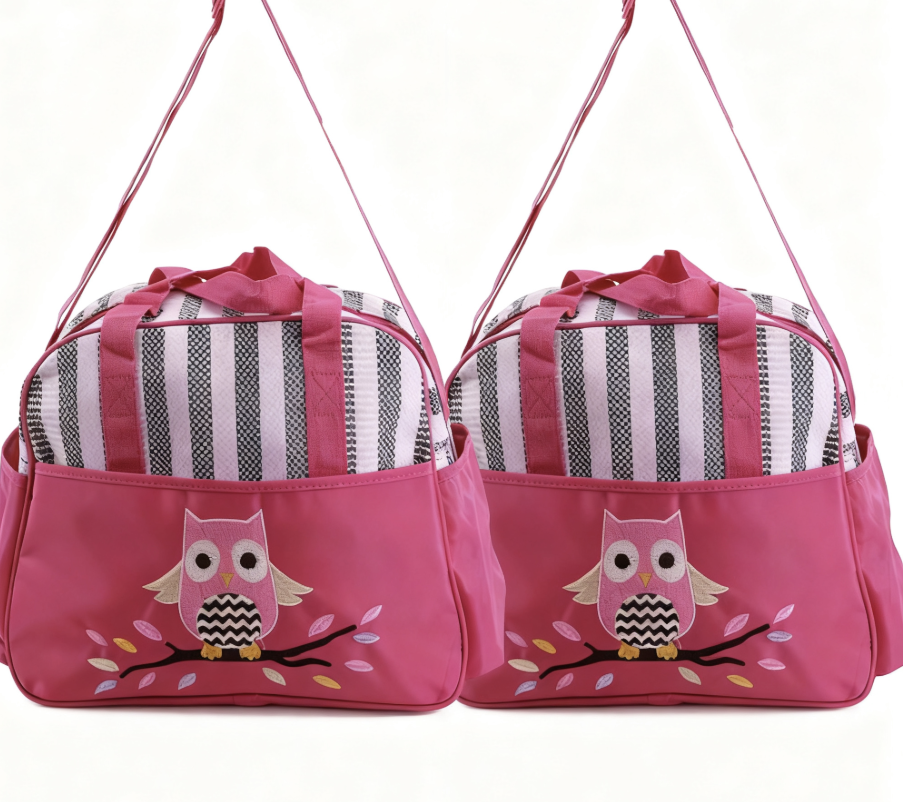
The modern tote bag wasn’t always about fashion. In the 1940s, tote bags became popular in the U.S. when LL Bean introduced the “Boat and Tote” — a durable canvas bag originally meant to carry ice and firewood. People loved its toughness and size, so it soon became a household item.
By the 1960s and 1970s, tote bags evolved from utility items into fashion accessories, with brands experimenting with leather, color, and design. In the 2000s, eco-friendly movements pushed totes further into popularity as reusable shopping bags. Today, the tote bag symbolizes both style and sustainability.
Common Types of Tote Bags
Tote bags come in a wide variety of styles, materials, and purposes, making them suitable for almost every occasion. From simple cotton carryalls to designer leather statements, there’s a tote bag for everyone. Let’s look deeper at the most common types you’ll find today.
1. Canvas Tote Bags
Canvas tote bags are the classic all-rounders — strong, washable, and built to last. Made from heavy-duty cotton or linen fabric, these bags can handle daily wear and tear without losing their shape. That’s why students, artists, and eco-conscious shoppers love them.
Canvas totes are also customizable, making them a favorite for small businesses, brands, and events. You’ll often see printed logos, slogans, or artwork on them. They’re ideal for carrying groceries, books, laptops, or gym clothes.
2. Leather Tote Bags
Leather tote bags are the definition of elegance meets practicality. They’re designed for people who want durability without compromising on style. The smooth texture and professional appearance make them ideal for office use, meetings, or travel.
High-quality leather totes can last a decade or more with proper care. They often include zipped compartments and padded sections for laptops or documents, blending function and luxury. You’ll find them in neutral shades like black, brown, or tan, which match almost any outfit.
3. Nylon or Polyester Tote Bags
Nylon and polyester totes are lightweight, flexible, and weather-resistant, perfect for people on the go. Whether you’re heading to the gym, catching a flight, or running errands, these totes keep your belongings protected from rain and moisture.
Unlike heavy canvas or leather, nylon totes can fold into small sizes, making them travel-friendly. Many come with zippers, inner pockets, and reinforced stitching for extra convenience. They’re also easy to wipe clean, which makes them ideal for outdoor activities or sports.
4. Jute or Cotton Tote Bags
If sustainability is your thing, jute and cotton totes are your best friends. Made from natural plant fibers, they’re biodegradable and recyclable, offering an eco-friendly alternative to single-use plastic bags.
Jute totes, often called burlap bags, have a rustic, natural texture that appeals to eco-conscious shoppers. Cotton totes, on the other hand, are smoother and can be printed with colorful designs. Both are great for farmer’s markets, grocery runs, or beach trips.
5. Designer or Fashion Totes
Designer tote bags take functionality to a luxury level. Brands like Louis Vuitton, Chanel, Gucci, and Michael Kors have transformed the tote into a style icon. These bags use premium materials like genuine leather, suede, or coated canvas, often featuring brand monograms or artistic patterns.
Fashion totes aren’t just for looks — they’re status symbols that merge style with practicality. Many designs include structured shapes, metal hardware, and soft lining to protect valuables. Some even double as laptop or travel bags.
| Type | Material | Durability | Best Use | Eco-Friendly |
| Canvas Tote | Cotton / Linen | High | Everyday, school, shopping | Moderate |
| Leather Tote | Genuine / PU Leather | Very High | Work, travel, fashion | Low |
| Nylon Tote | Nylon / Polyester | High | Travel, gym, outdoor | Moderate |
| Jute / Cotton Tote | Natural Fiber | Medium | Eco-shopping, beach | High |
| Designer Tote | Leather / Luxury Fabric | Very High | Fashion, business | Low |
What Is a Tote Purse?
A tote purse is like the elegant cousin of the tote bag. It has the same roomy structure but leans more toward style and fashion. Tote purses often come in leather or high-quality synthetic materials, with extra compartments and zippers.
They’re designed for professionals or fashion-conscious individuals who need to carry essentials — phones, makeup, tablets, notebooks — without sacrificing looks. Many women prefer tote purses because they serve as both daily handbags and travel companions.
Why Tote Bags Are So Versatile
The beauty of a tote lies in its simplicity. You can use it for almost anything. Here’s how people commonly use tote bags:
Everyday carry: Perfect for wallets, keys, phones, and snacks.
Work or school: Holds laptops, notebooks, and documents.
Shopping: Replaces plastic bags, promoting eco-friendly habits.
Travel: Serves as a carry-on for essentials like passports, water bottles, and chargers.
Gym or beach: Spacious enough for towels, clothes, and accessories.
Fashion: Complements casual and formal outfits effortlessly.
Totes can be plain, printed, embroidered, or even personalized. Whether you want minimalist chic or bold prints, there’s a tote for every lifestyle.
The Role of Tote Bags in Sustainability
Tote bags have become a symbol of sustainability. With rising awareness of plastic pollution, more people are switching to reusable fabric totes. A single tote bag can replace hundreds of disposable plastic bags in its lifetime.
However, sustainability also depends on how often you use your tote. The key is to reuse it as much as possible — for shopping, travel, or errands. The more you use it, the greener it becomes.
| Material | Durability | Eco Impact |
| Cotton | Long-lasting but requires more water to produce | Reusable |
| Canvas | Very durable, can last for years | Sustainable when reused |
| Jute | Biodegradable, eco-friendly | Excellent |
| Polyester | Synthetic but long-lasting | Moderate if reused frequently |
Frequently Asked Questions
1. What is a tote bag used for?
A tote bag is used for carrying everyday items such as books, groceries, laptops, and travel essentials. It’s versatile enough for work, school, shopping, gym, or travel. Many people also use it as an eco-friendly alternative to plastic shopping bags.
2. What makes a tote bag different from a handbag?
The main difference lies in size and structure. A tote bag is larger, often rectangular, with two parallel handles and an open top. A handbag is typically smaller, with zippers or clasps, designed more for style and personal essentials.
3. Are tote bags eco-friendly?
Yes — tote bags can be eco-friendly, especially when made from natural materials like cotton or jute. However, their environmental benefit depends on how often you reuse them. The more you use your tote, the more sustainable it becomes compared to single-use plastic bags.
4. Can tote bags be washed?
Most fabric tote bags, like canvas or cotton, can be machine-washed or hand-washed in cold water.
However, leather or designer totes should be cleaned with a damp cloth or leather cleaner to preserve their finish. Always check the care label before washing.
5. Are tote bags suitable for travel?
Absolutely. Tote bags make great carry-on bags for flights or road trips. They can hold essentials like snacks, a water bottle, charger, book, or even a tablet. For longer journeys, choose nylon or leather totes with zippers for added security.
Conclusion
Tote bags are more than just bags — they are versatile, stylish, and practical companions for everyday life. From carrying groceries, books, and gym gear to serving as travel essentials or fashion statements, there’s a tote bag for every purpose. Unlike backpacks, which are ideal for hands-free carrying, tote bags offer easy access and a chic alternative. Choosing the right material, size, and style ensures that your tote fits seamlessly into your lifestyle while offering durability and comfort.
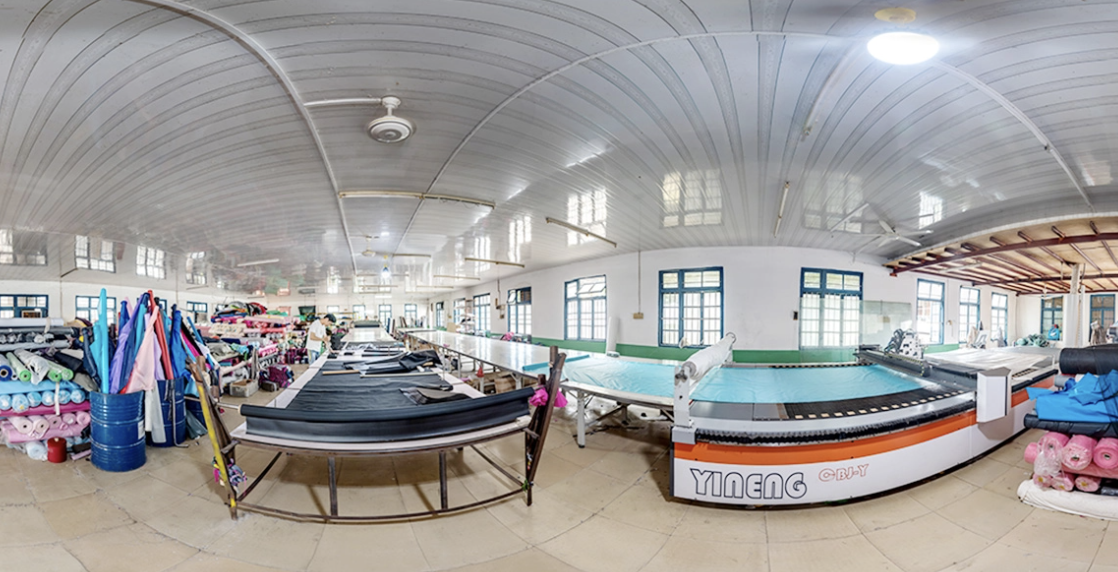
At Yongchun Haixing Travel Products Co., Ltd., we specialize in high-quality tote bags, backpacks, and travel accessories designed to meet all your carrying needs. Whether you’re looking for durable canvas totes, elegant leather options, lightweight nylon designs, or functionalbackpacks, our products combine functionality with style. Explore our collection to find the perfect tote bag or backpack for your daily adventures, travel plans, or promotional campaigns.
Discover your next favorite tote bag or backpack with Yongchun Haixing Travel Products — where practicality meets elegance.


