Parents often ask a simple question with a tricky answer: is a diaper bag or a backpack better? The real issue is which one makes daily outings easier. In this article, you will learn how storage, quick access, and comfort can help you choose the right bag for your routine.
What Actually Makes One Bag Better Than the Other?
The comparison is really about function, not just style
When parents compare a diaper bag with a backpack, they are usually not deciding between two looks. They are deciding which bag makes daily care easier once real-life baby gear is involved. A bag may look polished, but that matters less when you need to carry diapers, wipes, bottles, extra clothes, and a changing mat in a way that still feels manageable outside the house. The more useful comparison is practical: which option gives better access, better organization, better carrying comfort, and more value as routines change. That is why this choice is less about fashion and more about how the bag performs during errands, appointments, walks, and travel.
Decision factor | Why it matters in daily use | Usually stronger option |
Access | Parents often need wipes, bottles, or a pacifier immediately | Diaper bag |
Organization | Baby items are easier to separate and find quickly | Diaper bag |
Carrying comfort | Heavy loads feel easier over longer outings | Backpack |
Mobility | Hands-free movement helps with strollers and carrying a child | Backpack |
Long-term flexibility | A bag that still works as needs become lighter | Backpack |
Why quick access and organization matter so much
Baby outings often include small but urgent moments. A diaper change in a public restroom, a bottle needed during a short stop, or a sudden clothing change all require parents to find essentials quickly rather than dig through one large compartment. This is where a diaper bag often feels more efficient. Dedicated pockets for wipes, bottles, diapers, and small care items reduce clutter and make the bag easier to use under pressure. Some sources also note that diaper bags are especially helpful in the infant stage, when parents carry more separate items and rely more on structured packing.
Why comfort and mobility can outweigh storage design
A well-organized bag is not always the better bag if it becomes uncomfortable after an hour. For longer outings, backpacks gain a clear advantage because they spread weight across both shoulders, reduce one-sided strain, and leave both hands free. That matters when walking through airports, using public transport, pushing a stroller, or holding a baby at the same time. As routines become more active—or as children grow and fewer specialized baby items are needed—many parents find that comfort, flexibility, and hands-free movement begin to matter more than highly specific storage design.
When a Diaper Bag Is the Better Choice
Better for parents who carry many baby-specific essentials
A diaper bag is often the stronger choice when parents need to carry a full set of baby-specific supplies instead of just a few basics. In the early months especially, going out often means packing diapers, wipes, bottles, burp cloths, diaper cream, a changing pad, spare clothes, and a wet bag all at once. In that situation, the real advantage is not simply extra space, but smarter separation. A diaper bag is usually designed around the way parents actually use these items: feeding supplies stay away from clothing, clean items stay separate from used ones, and high-use essentials can sit in pockets that are faster to reach. That kind of structure reduces clutter, cuts down on frantic searching, and makes routine care feel more manageable outside the house.
What parents often carry together | Why a diaper bag handles it well |
Diapers, wipes, and changing pad | Keeps diapering items grouped for quick changes |
Bottles, bibs, and feeding supplies | Helps separate feeding gear from clothing and creams |
Extra outfit, burp cloths, and wet bag | Makes it easier to isolate clean items from messy ones |
Small baby accessories like pacifiers and creams | Prevents small essentials from getting lost in one large compartment |
That organization matters because parents are rarely opening the bag in calm, ideal conditions. They are usually reaching for something while standing beside a stroller, in a restroom, at the doctor’s office, or during a rushed stop between errands. A diaper bag supports that reality better when the load includes many small, easy-to-misplace items. Sources in the reference material repeatedly stress that parents who need to pack more gear for infants tend to benefit from dedicated compartments and baby-focused storage design.
Better for short outings where fast access matters most
A diaper bag also works especially well for short outings where speed matters more than long-wear comfort. Quick errands, doctor appointments, meeting friends, and short stroller trips often involve frequent stopping rather than steady walking for hours. In those situations, parents usually want to grab wipes, a bottle, or a pacifier immediately without taking the bag off, reopening several sections, and digging through layers of items. That is why traditional diaper bags and tote-style diaper bags are often favored for stop-and-go routines: they offer faster top access and a layout that feels more direct during short, practical trips.
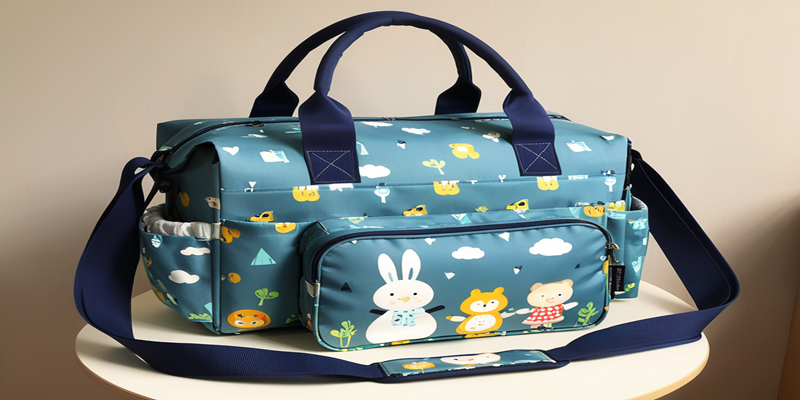
Useful scenarios where a diaper bag often feels more convenient include:
● short car-based errands with only a few stops
● stroller walks where the bag is easy to hang and reach into
● pediatric visits where wipes, diapers, and documents may all need to be accessed quickly
● social outings where parents want essentials available without fully unpacking the bag
Better during the newborn stage
The newborn stage is where a diaper bag often proves its value most clearly. Newborns usually require more frequent feeding, more diaper changes, more backup clothing, and more “just in case” items than older babies or toddlers. Reference material in the uploaded file notes that this stage often calls for extra burp cloths, more bottles, and backup pacifiers, which increases both the number of items and the need for careful packing. When the bag is doing that much work, organization can matter more than carrying comfort, because the biggest problem is often not the weight itself but how quickly parents can find what they need when care is urgent.
For that reason, parents in the newborn phase often get more value from a diaper bag than from a regular backpack. A backpack may still be comfortable, but a well-organized diaper bag is usually better at handling the heavier, more detailed packing routine that comes with the earliest months.
When a Backpack Is the Better Choice
Better for long outings and active days
A backpack becomes the stronger option when parents expect to be out for hours rather than minutes. On long walks, park trips, airport transfers, public transport, or full-day family outings, the main challenge is no longer just packing the essentials well; it is carrying them comfortably for an extended period. That is where a backpack has a clear advantage. The reference material repeatedly emphasizes that backpack-style bags spread weight across both shoulders, reduce one-sided strain, and feel easier on the body when the load gets heavier. This makes a backpack especially practical for parents who move constantly, travel often, or do not want the bag slipping and shifting while they walk.
Situation | Why a backpack works better |
Parks, zoos, and full-day outings | Even weight distribution makes longer wear more comfortable |
Airports, road trips, and public transport | Hands stay free for tickets, luggage, strollers, or children |
Walking-heavy routines | A backpack stays more stable than a one-shoulder bag |
Families carrying heavier loads | Balanced support reduces shoulder and back strain |
Mixed-use family schedules | The same bag can move from baby outings to travel or daily use |
Better for hands-free movement
Mobility is often the biggest reason parents switch from a traditional diaper bag to a backpack. A one-shoulder bag may be fine when the day is simple, but it becomes less practical when a parent needs both hands available at the same time. Backpacks allow parents to carry a baby, push a stroller, shop, open doors, or guide an older child without constantly adjusting a slipping strap. The source text also connects backpack use with more active parenting routines, such as commuting, playground visits, and travel, where secure carrying matters more than quick top access. In these situations, a backpack does not just feel more comfortable; it supports smoother movement from one task to the next.
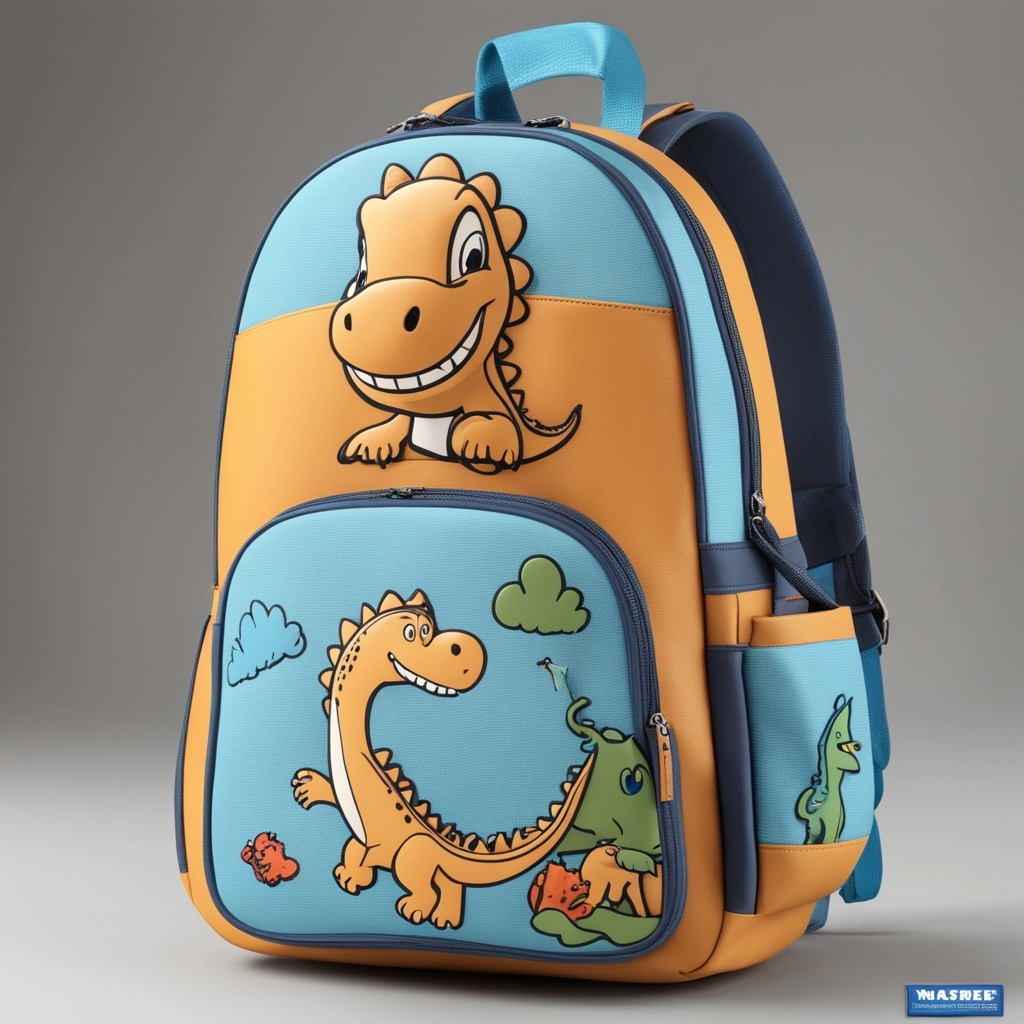
Better for parents who want a bag with longer use
A backpack also makes sense for parents who want a bag that stays useful as their child grows. In the newborn stage, packing is often heavier and more specialized, but later routines are usually lighter. Once the daily load shifts toward snacks, wipes, a water bottle, and a change of clothes, a backpack often feels more natural than a dedicated diaper bag. The reference material notes that many parents continue using diaper backpacks or regular backpacks for toddler outings, travel, and general family use after the diaper stage. That long-term practicality matters because it turns the bag into a flexible everyday item rather than something that feels limited to a short phase of parenting.
Better for shared parenting and everyday versatility
Backpacks are also easier for shared parenting because they tend to feel less specialized and more neutral in day-to-day use. The source material points out that many parents prefer backpack designs when both caregivers will be carrying the same bag, since the style feels more universal and adapts well to different routines. That makes a backpack useful for families where one parent may handle daycare drop-off, while the other uses the same bag for errands, travel, or weekend outings. A backpack also tends to fit more naturally into mixed routines that combine parenting with commuting or general daily life, which adds to its versatility beyond simple baby storage.
How to Choose Between a Diaper Bag and a Backpack
Choose based on how you actually leave the house
The easiest way to choose between a diaper bag and a backpack is to stop thinking about categories and start thinking about routines. Parents who mostly take short car trips, stroller walks, or quick errands often benefit more from a diaper bag because it is easier to open and reach into without fully taking it off. Parents who spend more time walking, traveling, using public transport, or staying out for half a day usually benefit more from a backpack because comfort and weight distribution matter more over time. In other words, the best option is the one that fits how you move through the day most often, not the one that sounds more specialized. The source material repeatedly frames this choice around mobility, access, and lifestyle rather than appearance alone.
Think about what you need to carry right now
Your child’s current stage matters just as much as your routine. In the newborn months, parents usually carry more supplies and need them more often: bottles, burp cloths, extra clothing, creams, diapers, wipes, and a changing pad. That kind of load tends to reward structure, which is why a diaper bag often feels easier in the beginning. Later, when daily packing becomes lighter and more flexible, a backpack may make more sense because comfort and versatility start to matter more than highly specific organization. The reference text also notes that many families gradually shift what they pack as children get older, which means the “best” bag can change with time rather than stay fixed from birth onward.
Focus on the features that affect daily use
Instead of choosing based only on the label, compare the features that will actually change how the bag performs. A useful bag should make daily outings smoother, cleaner, and less stressful.
Feature to compare | Why it matters |
Compartment layout | Keeps diapers, wipes, bottles, snacks, and clothing easy to find |
Insulated pockets | Helps maintain bottle or snack temperature during outings |
Padded straps | Reduces strain during longer wear |
Easy-clean material | Makes spills and messes easier to manage |
Changing pad | Adds convenience for diaper changes away from home |
Overall size | Prevents overpacking while still fitting essentials |
These details matter more than whether the bag is marketed as a diaper bag or a backpack. The uploaded material consistently highlights organization, comfort, insulated storage, and easy-clean construction as the most practical decision points.
A simple way to make the final decision
Use this quick rule: choose a diaper bag if fast access, baby-specific storage, and organized packing matter most in your current routine. Choose a backpack if comfort, hands-free carrying, and longer outings matter more. For parents who want both, a diaper backpack can offer a middle-ground option by combining backpack comfort with diaper-bag features. The most useful mindset is not asking which bag is universally better, but which one reduces friction in your own everyday life. If the bag helps you move more easily, find essentials faster, and carry only what you need right now, it is the right choice for this stage.
Conclusion
Neither option is best for every parent. A diaper bag usually offers better organization and faster access, while a backpack gives more comfort, easier movement, and longer use. The right choice depends on your daily routine. Yongchun Haixing Travel Products Co,.Ltd. creates practical bag solutions with useful features and reliable value, helping families choose products that fit real parenting needs.
FAQ
Q: Is a diaper bag better than a regular backpack?
A: A diaper bag is better when fast access and item organization matter most.
Q: When should parents choose a diaper bag for daily use?
A: Choose a diaper bag for newborn care, short trips, and frequent diaper changes.
Q: Which option works better for travel or long outings?
A: A diaper bag works best only if storage matters more than carrying comfort.


