Sewing a tote bag is a fun, practical, and surprisingly rewarding project. Whether you’re a complete beginner or an experienced sewer, you can make a stylish, functional bag in a few hours. Tote bags are versatile: they can carry groceries, books, craft supplies, or even be used as a gift bag. Making your own allows you to personalize every detail—size, fabric, color, handles, and pockets. Unlike store-bought bags, handmade totes show your creativity and skill. In this guide, we’ll cover everything: materials, tools, step-by-step instructions, variations, and tips for beginners. By the end, you’ll know exactly how to sew a tote bag that lasts and looks great.
Why Make Your Own Tote Bag
Making your own tote bag goes far beyond just having something to carry your belongings. It’s a hands-on way to practice and improve a range of sewing skills, from straight stitching and topstitching to hemming, finishing raw edges, and assembling multiple layers. Tote bags are simple enough for beginners to tackle, yet they also offer satisfying challenges for more experienced sewers who want to refine their techniques.
When you sew your own bag, you have full control over size, pockets, or even adding a gusset for a boxed bottom to give it extra depth. They’re practical for daily errands, grocery trips, school, or work, just like backpacks. In fact, making a tote bag allows you to customize features often considered in backpacks—like reinforced handles, extra compartments, or layered fabric for durability. Handmade totes also make thoughtful, personalized gifts for friends and family. Beyond functionality, they are eco-friendly, reducing reliance on single-use plastic bags.
Creating your own bag lets you choose fabrics, colors, and design details to match your personal style. You can coordinate it with your wardrobe, use leftover fabric, or even repurpose old clothing. Much like customizing a backpack, you can design a tote bag that is both stylish and functional, turning ordinary materials into a durable, everyday accessory.
Tools and Materials Needed
Tools
Before starting, make sure you have all necessary tools:
Sewing machine – a basic model works, but one with multiple stitch options is ideal.
Needles – standard for medium-weight fabric; heavy-duty for denim or canvas.
Fabric scissors & thread snippers – sharp for clean cuts.
Seam ripper – for correcting mistakes.
Pins or magnetic pin holder – keep fabric in place.
Chalk or disappearing marker – mark seams, midpoints, and folds.
Measuring tape & clear ruler – ensure precision.
Iron & ironing board – pressing seams gives professional results.
Having all tools ready prevents interruptions and makes sewing smoother.
Materials
Select durable fabrics that suit your purpose:
Outer fabric: cotton canvas, denim, corduroy, or decorator fabric. Medium to heavy weight is best.
Contrast fabric: optional for pockets, lining, or accents.
Webbing or fabric strips: for handles. Cotton webbing is strong and easy to sew.
Bias tape: optional for decorative side seam binding.
Threads: matching or contrasting. Contrasting thread adds style; matching thread blends seamlessly.
Interfacing: optional for added structure, especially for lightweight fabrics.
Choosing Fabric and Cutting Pieces
The fabric you choose affects the bag’s durability and appearance. Canvas is sturdy and easy to sew, while denim or decorator fabric gives a premium look. Prewash fabrics to avoid shrinkage later.
| Bag Part | Size Example (inches) | Notes |
| Body | 36 x 18 | Can adjust for smaller/larger sizes |
| Pocket | 8.5 x 11 | Optional, can add two pockets |
| Handles | 3 x 21 | Fold and topstitch for durability |
| Gusset (corner) | 1–2 square | Adds depth, forms a boxed bottom |
Preparing Handles
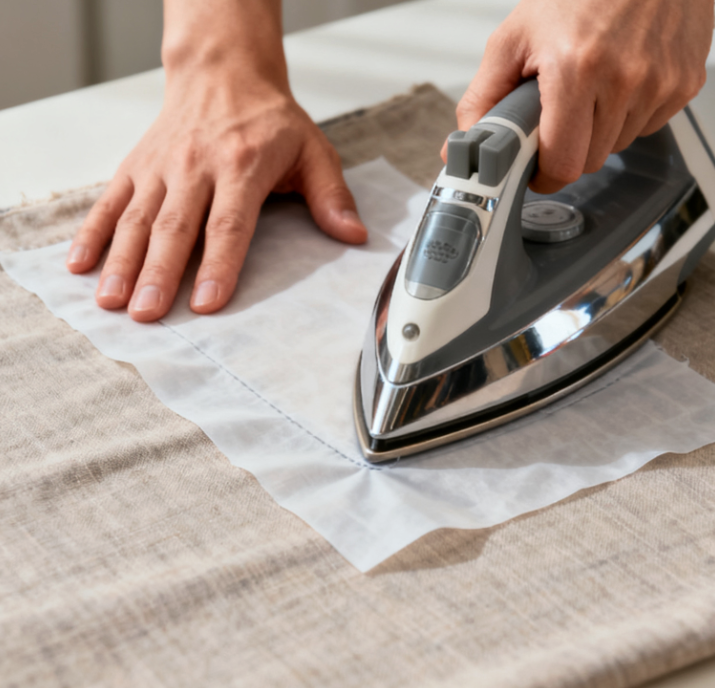
Handles play a crucial role in a tote bag’s functionality, affecting both comfort and durability. To create strong, neat straps, start by folding the long edges of the fabric toward the center with the wrong side facing up. Next, fold the strip in half again so that the raw edges are completely encased within the center of the handle. Press the folds firmly with an iron to achieve crisp, clean edges that will make sewing easier and give a polished look.
Once pressed, topstitch along both long sides of the handle, using a slightly longer stitch length—around 4mm—to reinforce strength and durability. For added style, you can use a contrasting thread to make the topstitching stand out as a design feature. Properly constructed handles should be sturdy enough to carry heavy loads without stretching, fraying, or tearing, ensuring your tote bag is both practical and long-lasting.
Step-by-Step Instructions
Step 1 – Fuse Interfacing
Interfacing adds structure to lightweight fabrics.
Place interfacing on outer fabric, adhesive side down.
Press firmly for 10–15 seconds per section.
Avoid moving the iron back and forth to prevent wrinkles.
Interfacing prevents sagging and makes the bag hold its shape.
Step 2 – Attach Handles
Mark the midpoint of the bag’s top edge.
Position handles evenly on each side.
Baste or pin handles in place.
Ensure raw ends are tucked under the hem.
Handles can also be sewn on after the body is assembled, but attaching first often makes alignment easier.
Step 3 – Sew the Bag Body
Fold fabric right sides together.
Pin side and bottom edges.
Sew using a 3/8" seam allowance.
Double-check the seams before sewing corners or gussets. Accuracy ensures the bag stands upright.
Step 4 – Create Boxed Bottom or Triangle Gusset
Cut squares from each bottom corner (1–2").
Match side and bottom seams.
Sew across cut edges to form depth.
This technique makes a gusseted bottom, giving the bag a professional, spacious shape.
Step 5 – Prepare Lining (Optional)
Cut lining pieces same as outer bag.
Sew side and bottom seams, leaving a 3–4" gap for turning.
Add a gusset for matching shape.
A lining reinforces the bag and hides raw edges. You can add pockets or compartments inside.
Step 6 – Assemble Outer Bag and Lining
Place outer bag inside lining, right sides together.
Align seams and pin top edge.
Sew top edge.
Turn bag through the gap in the lining. Push lining inside.
Topstitch along the top edge for a polished, professional look.
Step 7 – Finishing Touches
Press top edge with an iron.
Optional: add bias tape to side seams.
Reinforce handles with a box-and-X stitch.
Trim excess threads for clean finish.
Variations You Can Try
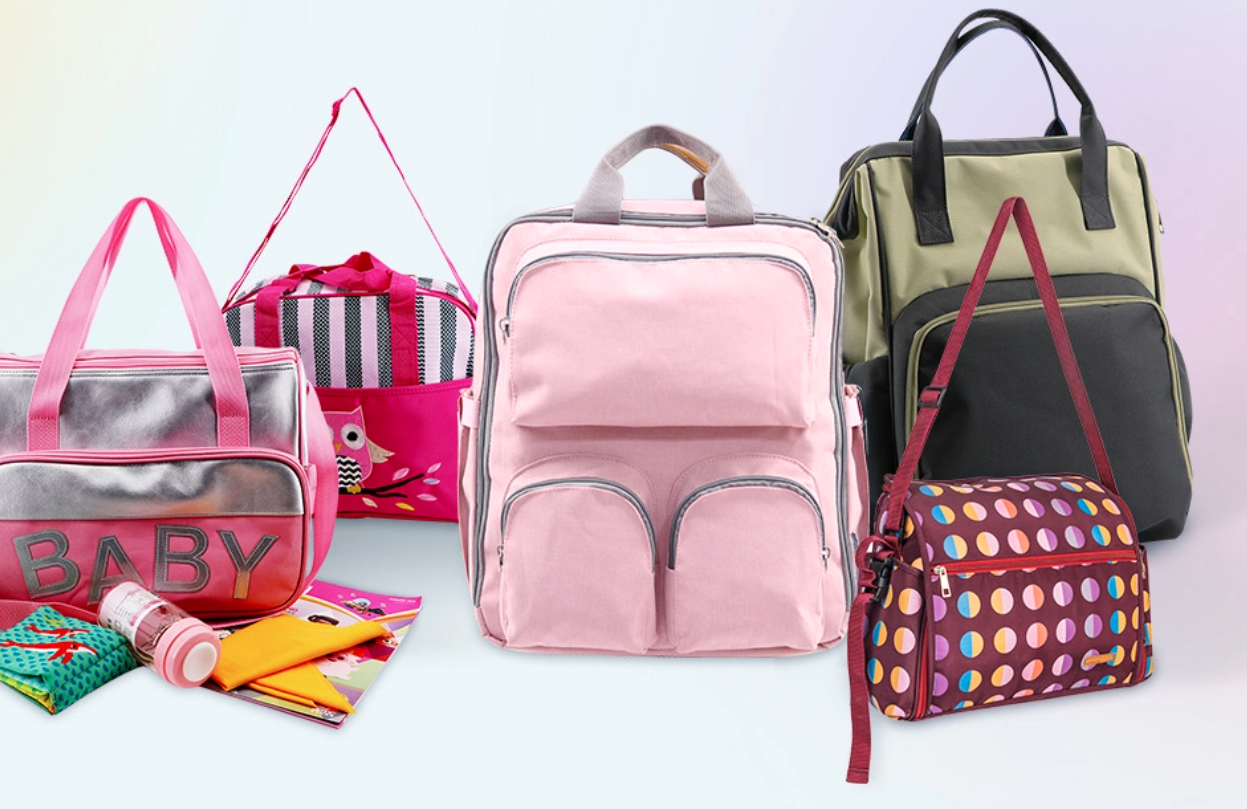
There are many ways to put your own spin on a tote bag, making each one unique and suited to different needs. You could start with a simple unlined tote for a quick project or create a lined version with pockets or compartments to keep things organized. Adding a gusset or a boxed bottom gives extra space, making the bag more practical for carrying larger items.
For convenience, consider a foldable tote that can be tucked away for shopping trips or travel. You can also add decorative touches like printed fabrics, embroidery, or contrasting thread, turning a basic tote into a stylish, personalized accessory. These variations let you experiment while creating a functional and attractive bag.
Just like backpacks, tote bags come in all shapes and sizes, and small design tweaks can make a big difference in how comfortable and versatile they are. By customizing your tote like you would choose features on a backpack—such as pockets, reinforced straps, or extra depth—you can create a bag that meets your daily needs while reflecting your personal style.
Tips for Beginners
If you’re just starting out, a few simple strategies can make sewing a tote bag much easier and more enjoyable. Start with medium-weight fabrics like canvas, denim, or twill—they’re sturdy enough to hold shape but easy to manage for beginners. Practicing topstitching, hemming, and folding techniques on scrap fabric first helps build confidence and ensures neat, even stitches.
When attaching handles or pockets, pin everything carefully so the pieces stay aligned while you sew. Finishing raw edges is important to prevent fraying; using a zigzag or overlock stitch works well on most fabrics. Keep an eye out for twisted handles or uneven seams, as small errors can affect both function and appearance. Marking your fabric with chalk or an erasable pen makes it easy to follow your measurements accurately and avoid mistakes.
Just like selecting the right backpack for comfort and durability, choosing the right materials and taking time with assembly ensures your tote bag will last. These beginner-friendly tips help you make a tote that is not only functional but also looks polished and professional, ready to carry everything from groceries to books—or even be used alongside a backpack for extra storage.
Frequently Asked Questions
Is Sewing a Tote Bag Difficult?
No. Tote bags are beginner-friendly. Basic sewing skills like straight stitching, hemming, and topstitching are enough.
How Much Fabric Do I Need?
For a standard tote (15–18” tall, 15–20” wide), 1–2 meters is enough. Add fabric for pockets and handles.
What Lining Works Best?
Cotton, polyester, or canvas. Choose a fabric similar in weight to the outer fabric. Lining adds durability and hides raw edges.
How Long Does It Take?
A simple tote: 1–2 hours. A lined or gusseted tote: several hours, depending on skill.
Conclusion
Sewing your own tote bag is more than a craft project—it’s a chance to create something practical, stylish, and personalized. From choosing fabrics and cutting pieces to adding gussets, handles, and decorative touches, every step gives you control over the final product. Tote bags are versatile, eco-friendly, and perfect for everyday use or gifting.
Whether you’re making a simple unlined tote or a fully lined, gusseted version, the skills you practice along the way—topstitching, hemming, finishing raw edges, and assembling layers—will carry over to future sewing projects. With some patience, attention to detail, and creativity, anyone can make a durable and beautiful tote bag that stands out.
For sewers looking for high-quality materials or ready-to-use travel and tote accessories, Yongchun Haixing Travel Products Co., Ltd. offers a wide range of fabrics, bag components, and finished products that can inspire your next project. Their commitment to quality ensures every bag you create or purchase is built to last, combining functionality with style. Start your sewing journey today and bring your tote bag ideas to life.


