Packing a backpack for hiking, trekking, or multi-day adventures can feel overwhelming. Every hiker carries different gear depending on trip length, weather, and personal needs. A well-packed backpack improves comfort, protects equipment, and allows smoother hiking. Poorly packed backpacks can cause fatigue, back pain, and constantly shifting gear that throws off balance. In this guide, we’ll cover how to pack backpacks effectively, from choosing zones to waterproofing, heavy item placement, and tips for special gear.
Why Proper Backpack Packing Matters
A backpack isn’t just a bag; it’s part of your hiking system. How you load it affects posture, stability, and energy expenditure. Heavy or unbalanced backpacks pull you backward, forcing your body to lean forward and increasing strain on shoulders, back, and hips.
Benefits of proper packing:
Reduces fatigue, muscle strain, and joint stress
Keeps frequently used items easily accessible
Prevents gear from shifting, which can throw off balance
Protects equipment from rain, dust, and dirt
Maximizes available space for comfort and efficiency
Properly organized backpacks also save time at camp since you can access gear without unpacking everything. Over time, good packing habits become muscle memory and make every trip smoother.
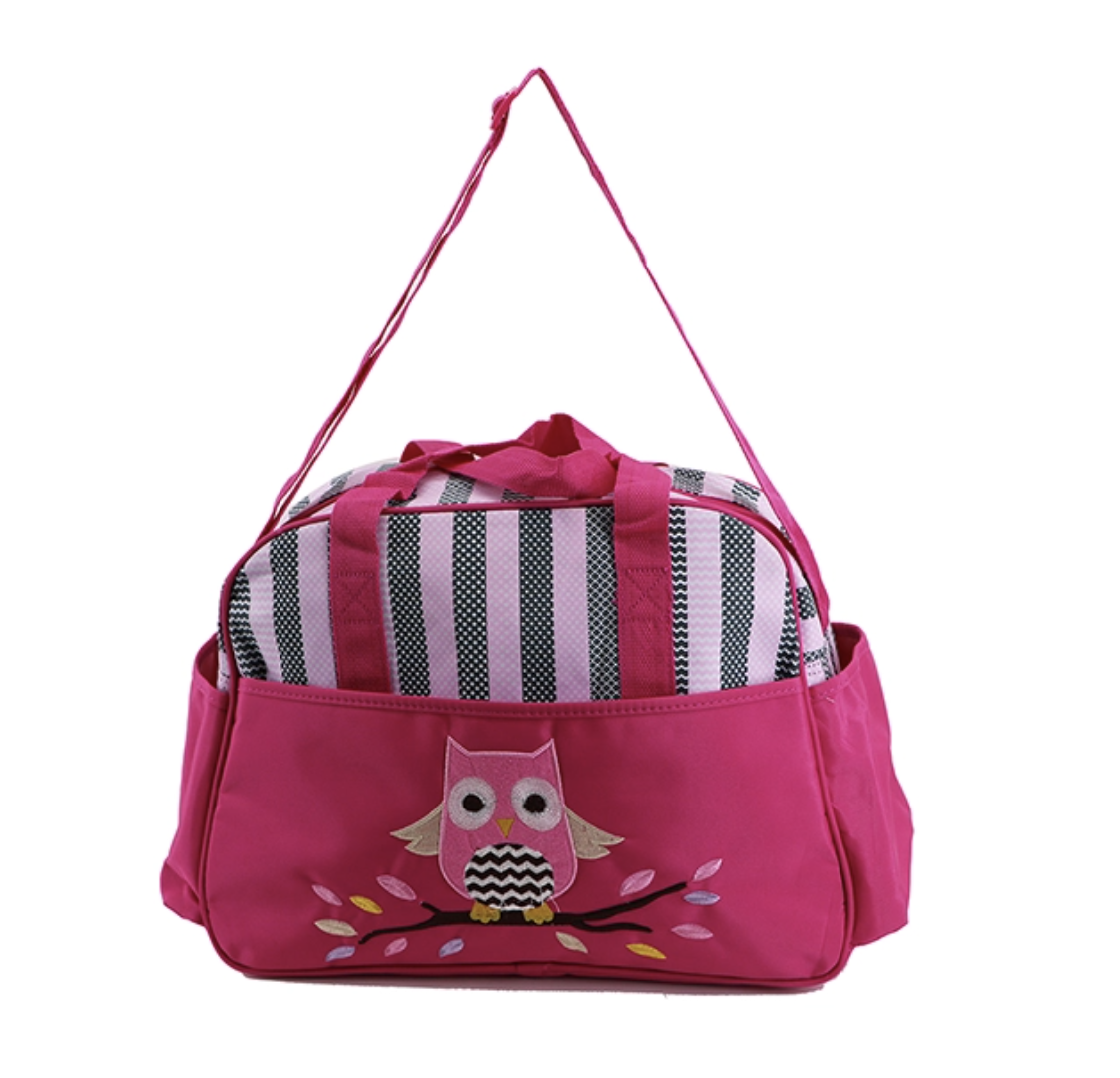
Understanding Backpack Zones
Organizing your backpack into zones helps with weight distribution, accessibility, and balance. Imagine your pack as a multi-layered system rather than a single cavity.
| Zone | Gear Type | Purpose |
| Bottom Zone | Sleeping bag, pad, camp shoes | Bulky items not needed until camp |
| Core Zone | Food, stove, water bladder | Heavy items for stability and center of gravity |
| Top Zone | Jackets, rain gear, first aid | Gear needed during the day or quick access |
| Accessory Pockets | Map, compass, snacks | Small essentials for frequent reach |
| External Lash Points | Trekking poles, ice axe | Oversized or long items |
Think of your backpack like building with bricks and mortar. Heavy, bulky items are bricks, soft, malleable items like clothing are mortar that fill gaps and stabilize the load. Proper use of these zones ensures your backpack sits comfortably, does not sway while hiking, and keeps your posture natural.
Step-by-Step Backpack Packing Process
1. Lay Out All Gear
Before packing your backpack, spread all your items on the floor. Check for missing or damaged gear. Make a checklist of what you’ll carry. This step allows you to visualize packing order, prevents last-minute forgetting, and helps you experiment with different arrangements before committing.
Tips:
Separate gear by type: clothing, shelter, cooking, personal items
Group items by frequency of use
Note any items that may need waterproofing or compression
2. Bottom Zone – Soft and Bulky Items
Place your sleeping bag and sleeping pad at the bottom. These soft items act as a cushion and shock absorber for your back. Additional bottom-zone gear can include camp shoes, down booties, or long underwear.
Tips for bottom packing:
Compress items to save space using stuff sacks or compression sacks
Fill empty nooks with soft clothing for extra stability
Avoid blocking bottom access if your backpack has separate compartments
The bottom zone forms a stable foundation that prevents sagging, protects your back from hard objects, and keeps less-used gear out of the way until you reach camp.
3. Core Zone – Heavy and Dense Items
The core of your backpack holds the heaviest items, such as food packs, stove, fuel, water bladder, and bear canister. Proper placement keeps your backpack’s center of gravity close to your spine.
Guidelines:
Place heavy gear close to your back to maintain balance
Stack heavier items from bottom up, never at the top
Wrap soft items like clothing or tent pieces around dense gear to prevent shifting
Store water bottles inside the main compartment for a centered load
By keeping weight centered, your backpack won’t pull backward, which reduces strain and helps you move efficiently on uneven terrain.
4. Top Zone – Frequently Needed Gear
The top of your backpack is perfect for items you may need during the day. These include a puffy jacket, fleece layers, rain gear, first aid kit, water filter, or today’s food.
Tips:
Keep lightweight items at the very top for accessibility
Use soft layers as padding for other gear underneath
Consider storing your tent or shelter at the top if setup speed is important, especially during rain
The top zone ensures your most-needed items are always at hand, eliminating the need to dig through your backpack mid-hike.
5. Accessory Pockets – Quick Access Essentials
Hipbelt, brain, or side pockets store items you need immediately:
Map, compass, or GPS
Headlamp, snacks, lip balm, sunscreen
Bear spray, camera, ID, cash
Tips:
Use zippered pockets to prevent accidental drops
Only carry maps for current day sections to avoid clutter
Keep extra water bottles in secure hipbelt pockets for balance
These small pockets make your backpack user-friendly on the move, preventing constant repacking or unpacking.
6. Tool Loops and Lash-On Points
External straps handle long or oversized gear like trekking poles, tent poles, foam pads, ice axes, or climbing rope.
Tips:
Minimize external attachments to avoid snagging on branches
Secure items tightly to prevent swinging
Check straps frequently for wear and adjust for safety
Using tool loops correctly keeps your backpack compact and your gear accessible without interfering with hiking.
Weight Distribution and Center of Gravity in Backpacks
The right balance prevents tipping, back strain, and inefficient hiking. Key rules:
Heaviest items near the back: food, stove, water
Middle height placement: avoid top-heavy or bottom-heavy packing
Even lateral balance: divide weight evenly between sides
| Placement | Item | Effect |
| Close to spine, mid-height | Water bladder, food | Stable center of gravity |
| Bottom | Sleeping bag, pad | Soft buffer, shock absorption |
| Top | Clothing, rain gear | Quick access, lightweight |
Properly balanced backpacks allow natural posture and reduce shoulder and hip strain, especially on long hikes or uneven trails.
Special Backpack Considerations
Waterproofing
Waterproofing is a critical step for any hiking bag, whether you’re on a day hike, a multi-day trek, or packing a kids backpack for school or camp. A simple rain shower can soak through fabrics, zippers, and seams, ruining your gear if you’re not prepared. Using a pack liner is one of the most reliable ways to protect your essentials. Oversized liners give extra space to seal the bag completely, which is useful for electronics, sleeping bags, and anything that must stay dry. For quick rain protection, a pack cover works well. It blocks water from hitting the outer fabric, especially during torrential downpours, and is often easier to remove or adjust mid-hike. Combining liners and covers ensures your hiking bag keeps contents safe, no matter the weather.
Wet Gear
Even with waterproofing, some gear will inevitably get wet, like a tarp, rain jacket, or wet shoes. The trick is to keep wet items inside your backpack but outside the liner. This prevents soaking your dry clothes or electronics while keeping everything secured inside the main compartment. For a tote bag used in light hiking or travel, wet items can be separated using smaller waterproof pouches, ensuring the rest of the bag stays dry. For kids backpacks, storing wet jackets or muddy shoes in a separate compartment avoids messy spills inside the bag while making cleanup easier.
Stuff Sacks
Stuff sacks are great for organizing soft gear like sleeping bags, pads, and clothing, but overuse can slow packing and reduce flexibility. Only keep essential stuff sacks for items like your stove, tent stakes, small accessories, or delicate items. A hiking bag benefits most from this minimal approach, while a tote bag can skip most sacks unless organizing multiple compartments. For kids backpacks, using a few small pouches for lunch, stationery, or sports gear keeps the bag orderly without making it bulky or hard to access.
Backpack Style
Backpack design influences how you pack. Top-loading hiking bags are easier to stack heavier items near the back and center, while panel-loading packs allow quick access to specific items without unpacking everything. Roll-top backpacks benefit from using side or lid pockets to organize frequently accessed items, like snacks or water bottles. A tote bag may not have specialized compartments, so layering gear by use frequency helps, while a kids backpack often requires side pockets for water bottles and quick-reach snacks, and front pouches for small essentials like a wallet or notebook.
Oversized Gear
Oversized gear like skis, packrafts, foam pads, or ice axes often won’t fit inside a standard hiking bag, so external attachment points are necessary. Strapping them correctly reduces swinging and prevents snagging on branches or rocks. Even tote bags designed for outdoor activities sometimes include loops or straps for carrying bulky items. For a kids backpack, oversized items are less common but could include a sports ball, art supplies, or musical instruments. Securing them properly avoids strain or accidents while carrying the bag.
Environmental Factors
Environment dictates packing decisions. On rainy days, keep your shelter or rain gear within reach at the top of your hiking bag. In cold conditions, pack gloves, hats, and extra layers on top for quick access. For intermittent showers, strap rain gear to the outside if you need fast deployment. Even in a tote bag, layering wet-weather items separately helps maintain dryness. For kids backpacks, consider accessibility for changing weather, like a lightweight jacket or rain poncho in a top pocket, so children can handle their gear independently.
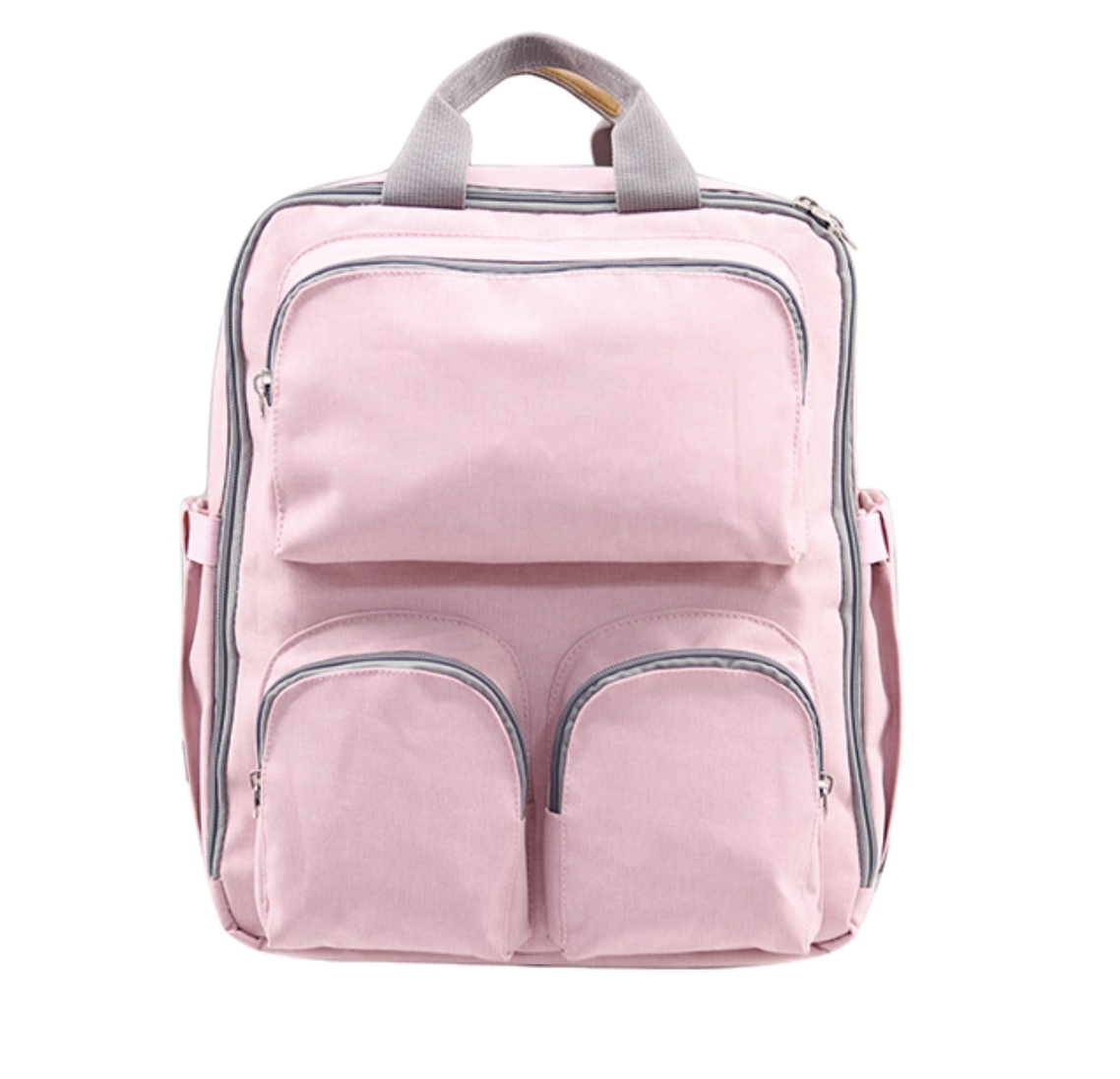
Packing Tips & Tricks for Backpacks
Packing efficiently makes a big difference in comfort and accessibility. Always pack clothing in reverse order of use: the first layer you’ll need goes at the top. Fill empty spaces with soft items to stabilize your hiking bag and prevent shifting. Stick to a consistent packing method for efficiency; your body quickly learns where items are stored.
Limit stuff sacks to essentials to avoid over-complication. Lining the main compartment with a trash compactor bag adds an extra layer of waterproofing for electronics or delicate gear. For kids backpacks, these tricks simplify packing for school or short hikes while keeping items accessible. Even a tote bag can benefit by compartmentalizing heavier and lighter items to maintain balance during carrying.
Common Backpack Packing Mistakes
Many hikers make avoidable mistakes. Placing heavy items too low or too high in your hiking bag can throw off your center of gravity, causing fatigue or back pain. Overstuffing or under-compressing reduces space efficiency and increases pack instability. Essentials buried too deep make access frustrating, especially mid-trail. Skipping waterproof protection leaves your gear vulnerable to rain or spills. Ignoring balance and spine alignment increases strain on long hikes.
These mistakes also apply to tote bags used for travel or day trips, where uneven weight can cause shoulder or back discomfort. For kids backpacks, improperly packed gear leads to sagging, discomfort, and messy interiors. Avoiding these errors ensures your bag—whether a hiking pack, tote bag, or kids backpack—remains stable, comfortable, and easy to carry.
FAQ
Q: What is the most important principle when packing a backpack?
A: The most important principle is to balance weight for comfort and stability by placing heavy items close to your back and center, surrounding them with soft items, and keeping frequently used items easily accessible in the top or external pockets. This helps your backpack stay stable and reduces strain on long hikes.
Q: Should I use stuff sacks for all items in my backpack?
A: No, you should only use stuff sacks for essential items like sleeping bag, pad, stove, stakes, or small accessories. Overusing stuff sacks can make packing less flexible and make items harder to access.
Q: How do I pack oversized items in a backpack?
A: Oversized items such as trekking poles, ice axes, or foam pads should be attached to the outside using tool loops or lash points. Securing them tightly prevents swinging and snagging on branches or rocks.
Q: What items should go in external pockets of a backpack?
A: External pockets are ideal for items you need quickly, such as water bottles, snacks, map or compass, sunscreen, lip balm, headlamp, or bear spray. Using these pockets makes your backpack convenient without unpacking the main compartment.
Q: Can the same packing principles be applied to a kids backpack or tote bag?
A: Yes, the same principles apply to kids backpacks and tote bags by balancing weight, keeping frequently used items accessible, and waterproofing important contents. Side or top pockets work well for water bottles, jackets, or school supplies.
Conclusion
Packing a backpack correctly is more than just fitting gear inside a bag—it’s about balance, accessibility, and protecting your essentials. Following proper zone organization, maintaining your center of gravity, waterproofing your gear, and using accessory pockets efficiently ensures that every hike, trek, or adventure is safer and more enjoyable. Whether you are carrying a multi-day hiking backpack, a kids backpack, or even a tote bag for short trips, these principles make your journey smoother and more comfortable.
For reliable, high-quality travel gear designed for every kind of adventure, consider Yongchun Haixing Travel Products Co., Ltd. Their backpacks, hiking bags, and travel accessories combine durability, smart design, and comfort, helping you stay organized on the trail and enjoy every moment outdoors.


