Introduction
Have you ever wondered how a simple piece of fabric transforms into a sturdy, reliable companion for a student? The journey of a kids backpack from a conceptual sketch to a finished product is a fascinating blend of high-tech engineering and skilled craftsmanship. Manufacturing these bags isn't just about sewing panels together; it involves a rigorous process designed to ensure they withstand the daily rigors of school life, heavy textbooks, and playground adventures.
In this expert guide, we peel back the curtain on the global manufacturing standards for modern bags. We will explore how factories select a sustainable material to reduce environmental impact, the precision involved in creating an ergonomic fit for spinal health, and the technical assembly of features like a waterproof lining. Understanding this process provides valuable insight for brands, retailers, and conscious parents looking for high-quality gear. Let’s dive into the step-by-step reality of how these essential items are made.
Research and Conceptual Design Phase
Every successful kids backpack starts on a designer's digital canvas. In this stage, manufacturers analyze current market trends and user pain points. They don't just aim for "pretty" designs; they focus on functionality. For a young student, the design must remain lightweight to prevent muscle strain while offering enough volume for supplies.
Designers use CAD (Computer-Aided Design) software to create 3D models. They simulate how the bag sits on a child's shoulders. This is where the ergonomic features are born. They calculate the width of the shoulder straps and the placement of the back padding. If the design includes a with water bottle holder feature, they must ensure the pocket is deep enough so the bottle doesn't fall out during movement. This phase is critical because an error in the digital blueprint can lead to thousands of defective units during mass production.
Strategic Material Selection and Sourcing
Once the design is finalized, the procurement team begins sourcing the "ingredients." In today’s market, many top-tier manufacturers prioritize a sustainable material like rPET (recycled polyester) or organic cotton. This move appeals to eco-conscious consumers and reduces the carbon footprint of the production line.
The choice of fabric dictates the bag's performance. For a kids backpack, the exterior is usually a high-denier nylon or polyester to ensure it is waterproof or at least highly water-resistant. We also look at the hardware: zippers must be smooth yet "unbreakable," and buckles need to be easy for small hands to operate. Manufacturers often run "stress tests" on these materials before they ever hit the cutting table to ensure they won't fray or snap under pressure.
| Material Feature | Benefit for the User | Manufacturing Consideration |
| Sustainable material | Eco-friendly, safe for skin | Sourcing certifications (GRS/OEKO-TEX) |
| Waterproof coating | Protects books and tablets | PU or PVC backing application |
| Lightweight fabric | Reduces back fatigue | Fabric density (Denier) vs. Strength |
| Customizable panels | Personalization for schools/brands | Sublimation or screen printing capability |
The Precision Cutting Process
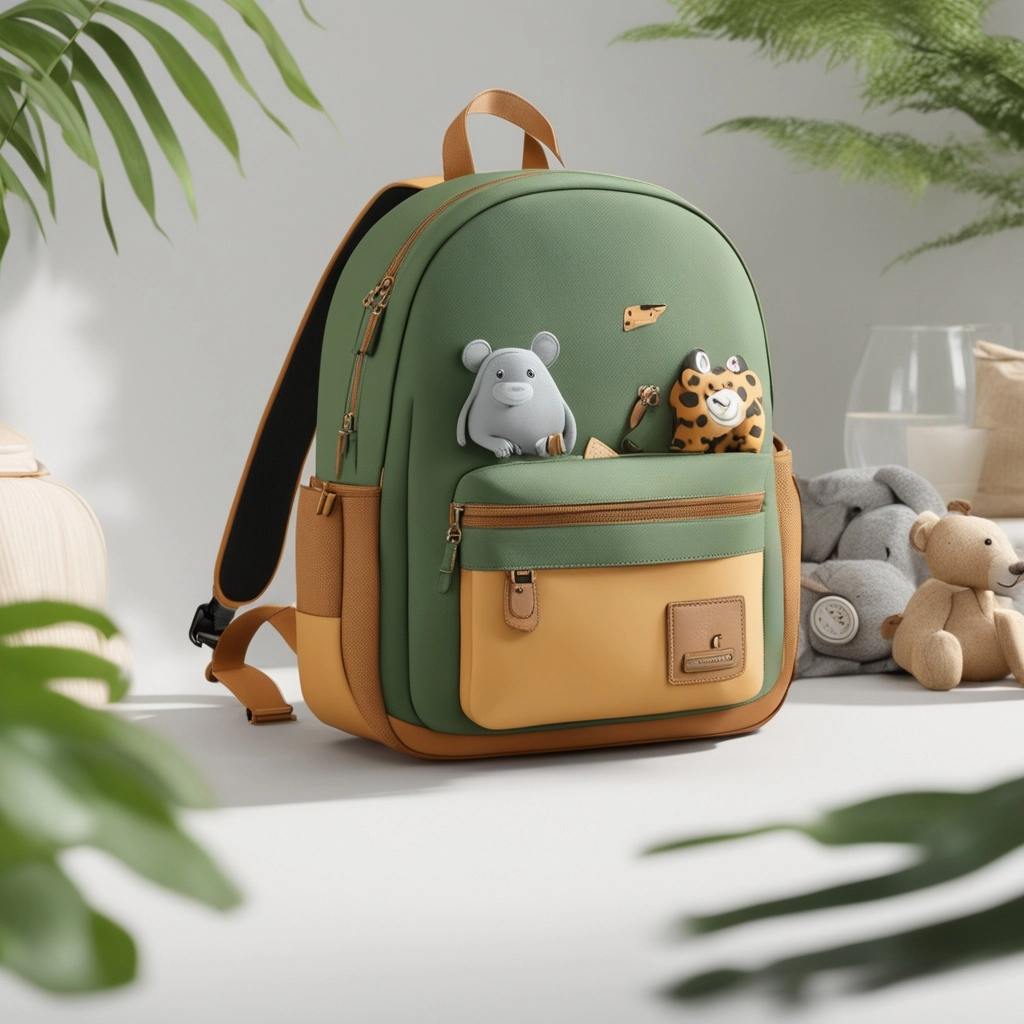
This is where the physical manufacturing truly begins. The sourced fabric arrives in massive rolls. In a modern facility, we don't use scissors. Instead, we use computerized laser cutters or die-cutting machines. This ensures every single piece of a kids backpack—from the large back panel to the tiny with water bottle holder mesh—is cut with millimeter precision.
Automated vs. Manual Cutting
Automated cutting minimizes fabric waste, which is essential when using expensive sustainable material. The computer "nests" the pattern pieces together like a puzzle to get the most out of every yard. This precision is vital for an ergonomic bag because even a slight misalignment in the strap attachment points can cause the bag to hang unevenly, leading to discomfort for the child.
Why Precision Matters for Features
Think about a customizable patch or a specific waterproof zipper track. If the cut isn't perfect, the zipper will snag, or the custom logo will look crooked. By using high-tech cutting solutions, manufacturers ensure that the final assembly is seamless and that the lightweight structural integrity is maintained throughout the bag’s lifespan.
Advanced Assembly and Sewing Techniques
Assembly is the heart of the factory floor. It is a highly organized "assembly line" where each worker specializes in one specific part of the kids backpack. One station might only sew the ergonomic padding into the shoulder straps, while the next attaches the side pocket with water bottle holder.
Structural Reinforcement
Because these bags carry heavy loads, "bar-tack" stitching is used at all high-stress points. This is a tight, dense zigzag stitch that prevents straps from ripping away from the body of the bag. We also focus on "binding" the internal seams. This means covering the raw edges of the fabric with a nylon tape. It makes the bag look cleaner on the inside and prevents the fabric from unraveling over time, which is a hallmark of a premium lightweight product.
Integrating Technical Features
During assembly, the waterproof liners are heat-sealed or sewn with specialized needles to minimize punctures. If the client wants a customizable interior label or a name tag, it is added at this stage. The complexity of the sewing process increases with the number of compartments. A bag with five pockets takes significantly longer to sew than a simple cinch sack, requiring more skilled labor and higher quality control.
Quality Control and Rigorous Testing
No kids backpack leaves the factory without passing a gauntlet of tests. Quality control (QC) happens at multiple stages: during cutting, after sewing, and before packaging. We check for loose threads, crooked logos, and faulty zippers.
Performance Testing
Manufacturers often use machines to simulate years of wear in just a few days.
Tensile Testing: Pulling the straps with extreme force to ensure they don't break.
Abrasive Testing: Rubbing the sustainable material against rough surfaces to check for pilling.
Water Spray Test: Ensuring the waterproof coating actually keeps the interior dry.
Weight Load Test: Filling the bag with weights and bouncing it to mimic a child running to a bus.
These tests are especially important for a kids backpack because safety is a legal requirement. We ensure that all materials are non-toxic and that there are no small parts that could become choking hazards. By the time the bag is cleared, it is proven to be ergonomic, durable, and ready for use.
Understanding the Ergonomic Engineering
The "How" of manufacturing isn't just about the "What." It's about the "Why." When we manufacture an ergonomic kids backpack, we are following specific orthopedic guidelines. This is perhaps the most technical part of the construction process.
The Role of Padding and Support
Manufacturers use multi-density foam for the back panel. The layer closest to the child’s back is soft and breathable, while the outer layer is firmer to maintain the bag's shape. This airflow system is crucial. If the bag doesn't breathe, the child gets sweaty and uncomfortable. The straps are "S-curved" rather than straight. This shape follows the natural contour of a human torso, distributing the weight across the chest and shoulders rather than pulling back on the neck.
Load Distribution Features
An ergonomic bag often includes a chest strap or a waist belt. During manufacturing, these must be placed at the correct height to be effective. Even a lightweight bag can feel heavy if the center of gravity is too far from the back. Therefore, the internal compartments are designed to keep the heaviest items (like laptops or textbooks) closest to the back panel. This careful engineering is what separates a cheap "fashion" bag from a high-quality, health-conscious kids backpack.
Customization and Branding for the B2B Market
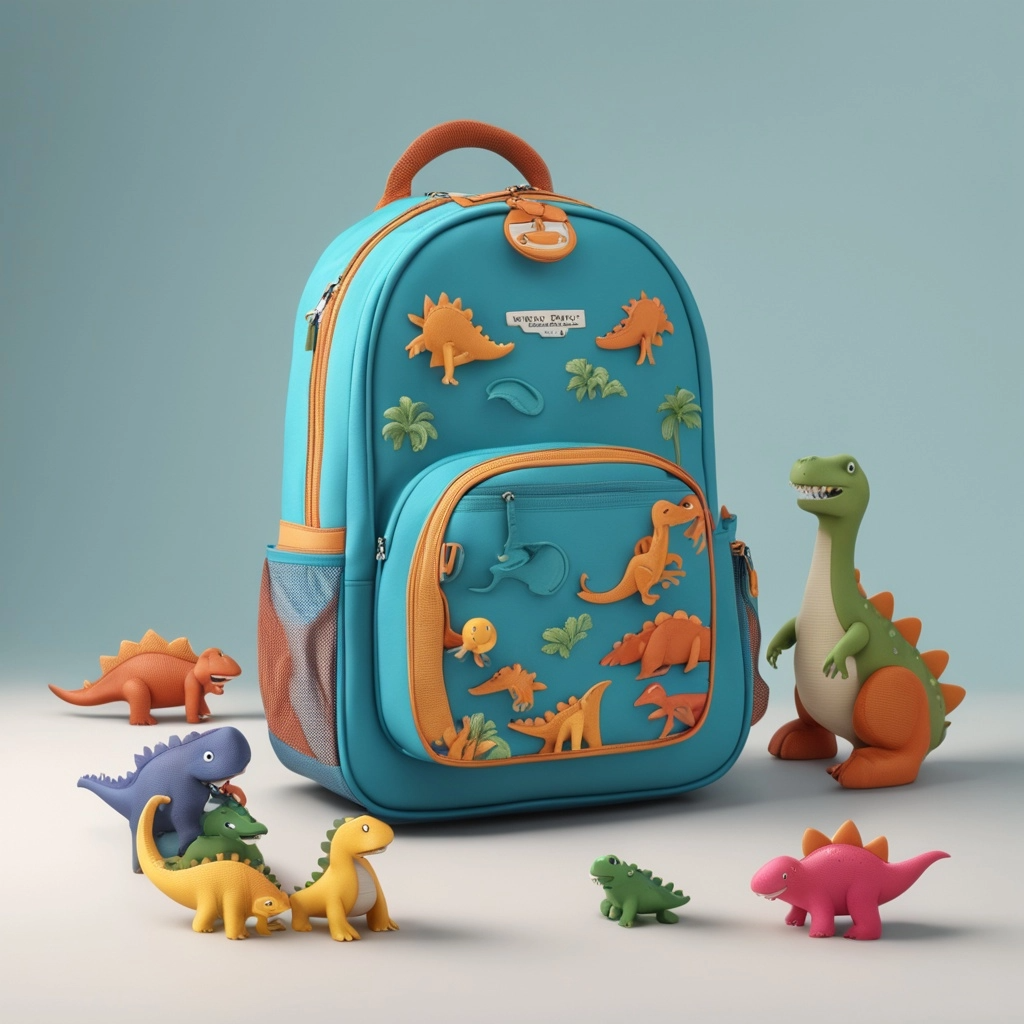
For many B2B buyers, a customizable kids backpack is a powerful marketing tool. Manufacturers have developed several ways to integrate branding without compromising the bag's waterproof or lightweight properties.
Branding Technologies
Screen Printing: Best for simple logos on a budget.
Embroidery: Adds a premium, tactile feel, though it requires a backing to remain waterproof.
Sublimation: Allows for full-color, edge-to-edge designs that won't peel or fade.
Rubber Patches: Highly durable and gives a modern, "rugged" look.
Bulk Production Efficiency
When a brand orders thousands of units, the factory must ensure consistency. This is where "Golden Samples" come in. The factory produces one perfect kids backpack that serves as the benchmark for the entire run. Whether the bag features a unique sustainable material or a specific with water bottle holder configuration, every unit must match the sample exactly. This reliability is why B2B clients choose established manufacturers over smaller, unproven workshops.
Conclusion
Manufacturing a kids backpack is a complex journey that balances aesthetics, health, and durability. From the initial ergonomic design to the final quality check of the waterproof zippers, every step is vital. By choosing a sustainable material and utilizing automated cutting and reinforced sewing, factories create products that aren't just bags—they are tools for education and growth. Whether you are a parent looking for a lightweight solution or a business seeking a customizable partner, understanding this process helps you appreciate the value behind the price tag.
FAQ
Q: Why is a sustainable material important for a kids backpack?
A: Beyond the environmental benefits, sustainable fabrics like recycled polyester are often just as durable and waterproof as virgin materials. They are also usually tested more rigorously for chemical safety, which is a priority for children's products.
Q: How can I tell if a backpack is truly ergonomic?
A: Look for S-curved straps, a padded back panel with air channels, and a chest strap. An ergonomic kids backpack will also be lightweight (usually less than 15% of the child's body weight when full) and sit squarely between the shoulders and the waist.
Q: Is a waterproof bag different from a water-resistant one?
A: Yes. A waterproof bag usually has heat-sealed seams and a special coating that can withstand heavy rain. A water-resistant kids backpack can handle light drizzles but might leak through the zippers or seams during a downpour.
About Our Manufacturing Excellence
As a professional leader in the luggage and bag industry, we don't just "make bags"; we engineer solutions. Our facility is equipped with the latest ISO-certified production lines, specializing in high-performance kids backpack manufacturing. We understand the unique needs of our B2B partners—reliability, scalability, and innovation.
Whether you need a customizable school bag line or a high-tech ergonomic carrier, we provide end-to-end service from material sourcing to final logistics. Our commitment to using a sustainable material and ensuring every product is waterproof and lightweight has made us a trusted partner for global brands. We invite you to explore how our factory’s strength can elevate your brand. For more information on our capabilities and our story, you can contact us any way that is convenient for you. We are available 24/7 via fax or email. We are ready to be your long-term manufacturing partner.


